

What to Expect When Drilling a Geothermal Well on Your Property
This article provides a comprehensive overview of the process and considerations involved in drilling a geothermal well on your property. Geothermal energy is a clean and efficient method for heating and cooling properties, but it requires careful planning and execution. Below, we address common questions and important topics about geothermal well drilling. With the increasing focus on renewable energy solutions, more homeowners and businesses are considering geothermal systems for their efficiency and sustainability. It is important to assess the financial viability and potential savings over time when considering such a system. Additionally, the environmental benefits of geothermal energy contribute positively to reducing carbon footprints which is crucial in today's climate-concerned world. With new advancements in technology, the accessibility and efficiency of geothermal systems continue to improve. This trend reflects a growing global awareness and shift towards more sustainable and environmentally friendly energy sources.
Evaluate Site Conditions
Geothermal well drilling is the process of accessing the Earth's natural heat to regulate the temperature of your home or commercial property. The technique involves drilling a series of interconnected wells that allow for the circulation of fluids. These fluids absorb heat from beneath the surface and transport it back to a heat pump system inside the building. The system then utilizes this heat to warm the property efficiently, while excess heat can be dissipated back into the ground during warmer months to provide cooling. This continuous cycle ensures a stable and comfortable indoor environment throughout the year. Understanding the geology of your area is crucial as it directly impacts the feasibility and cost of the project. It's also important to consider the impact on surrounding land and ecosystems during the planning phase to ensure minimal environmental disruption. Conducting a thorough environmental impact assessment ensures sustainable integration into the existing landscape.
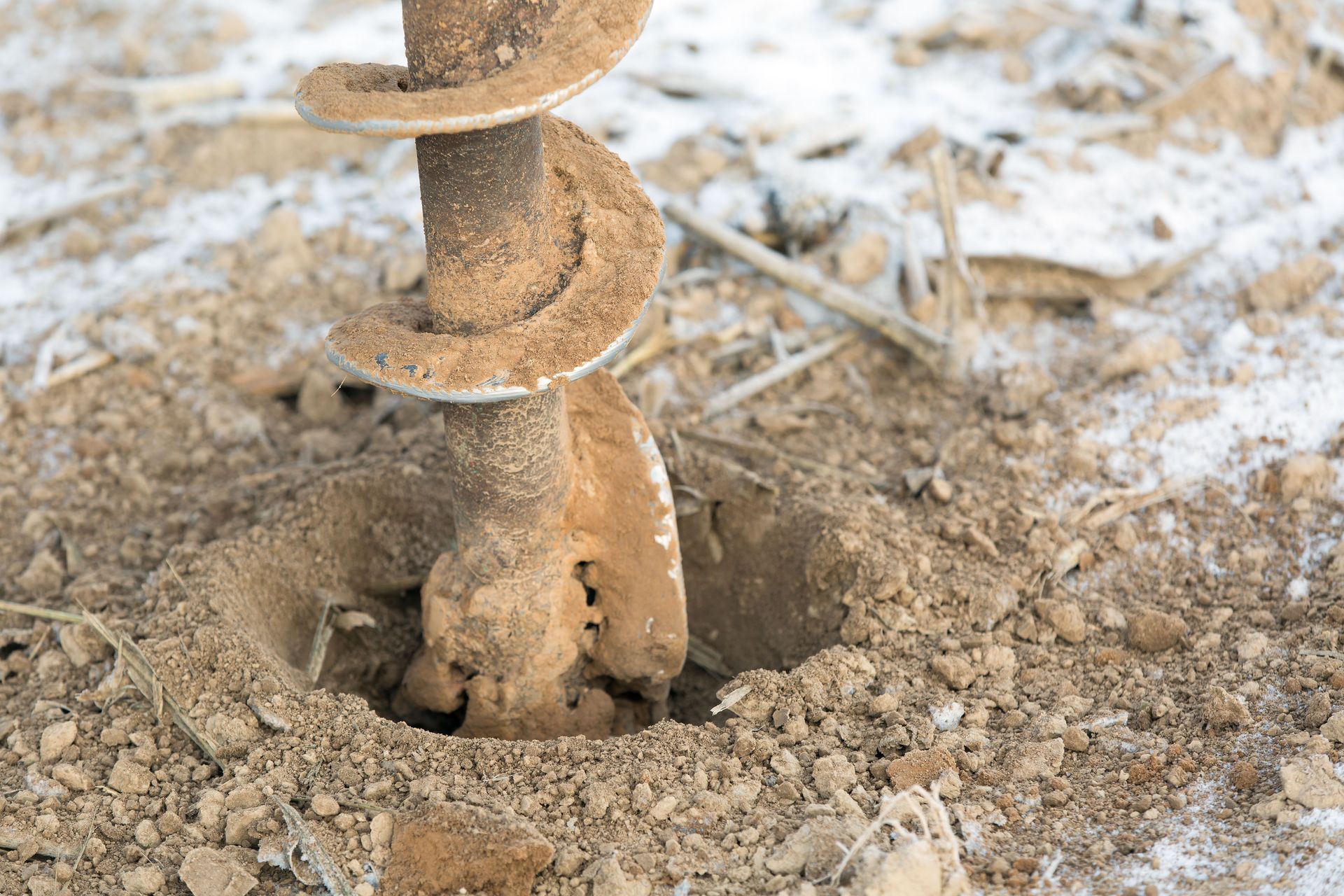
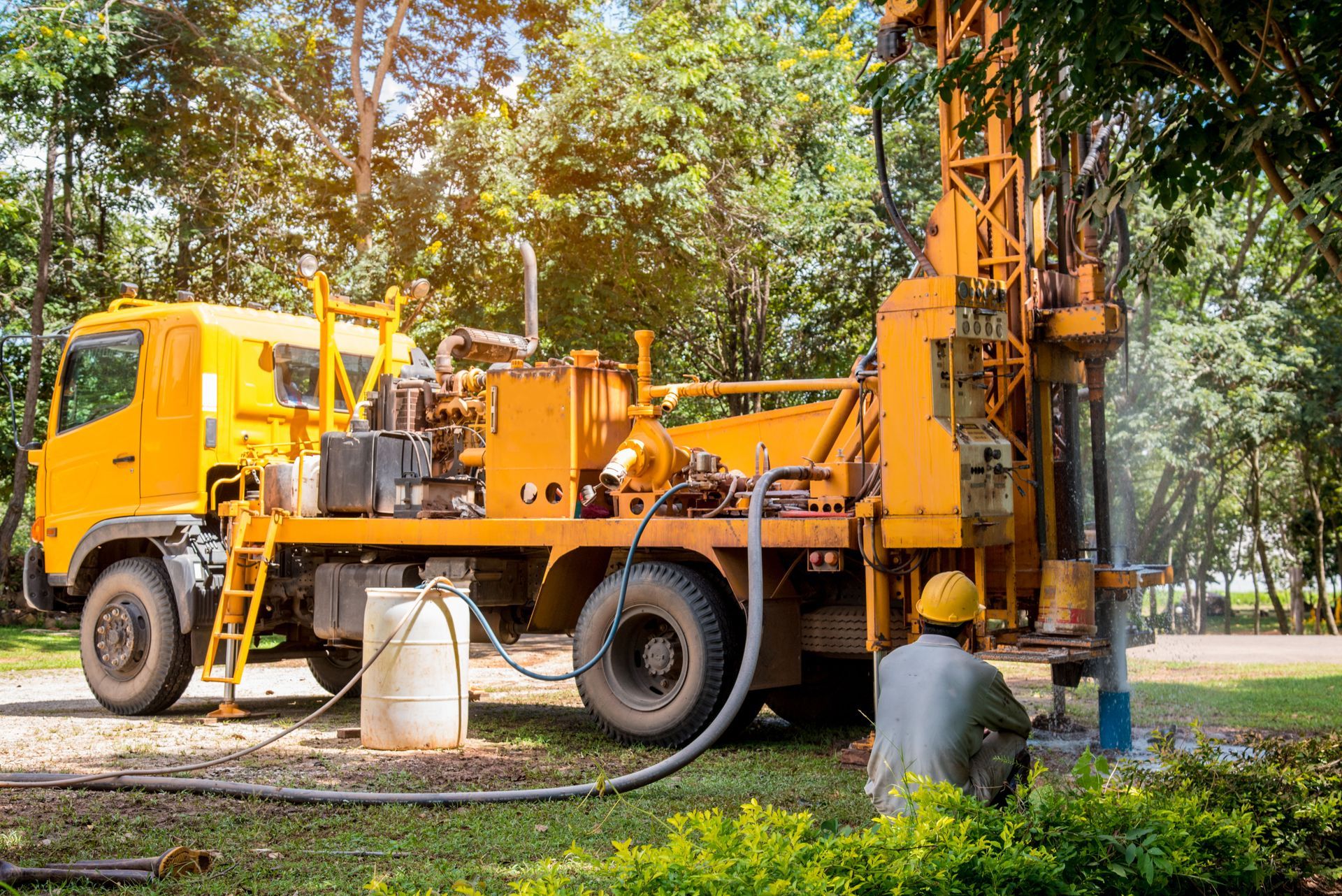
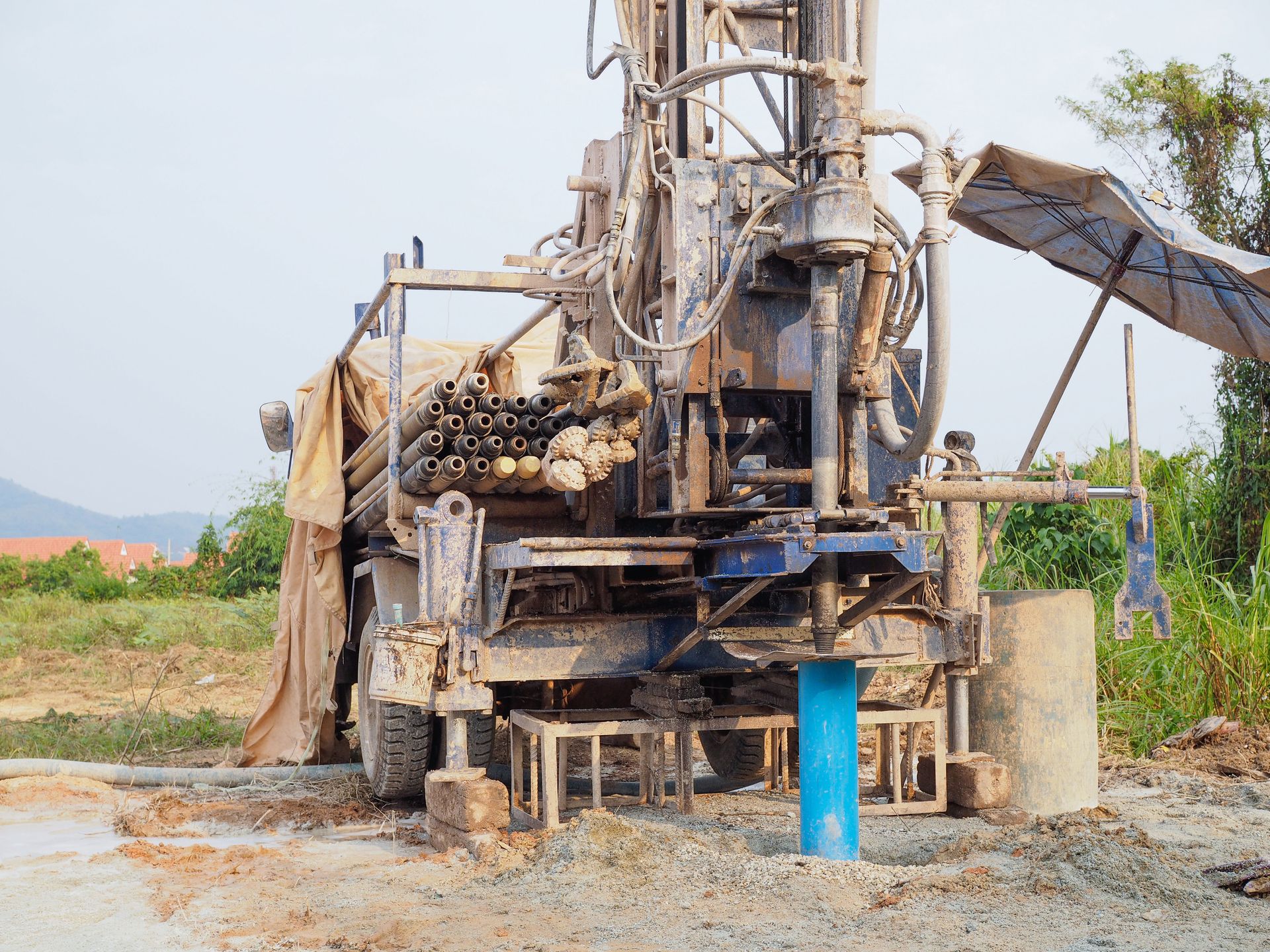
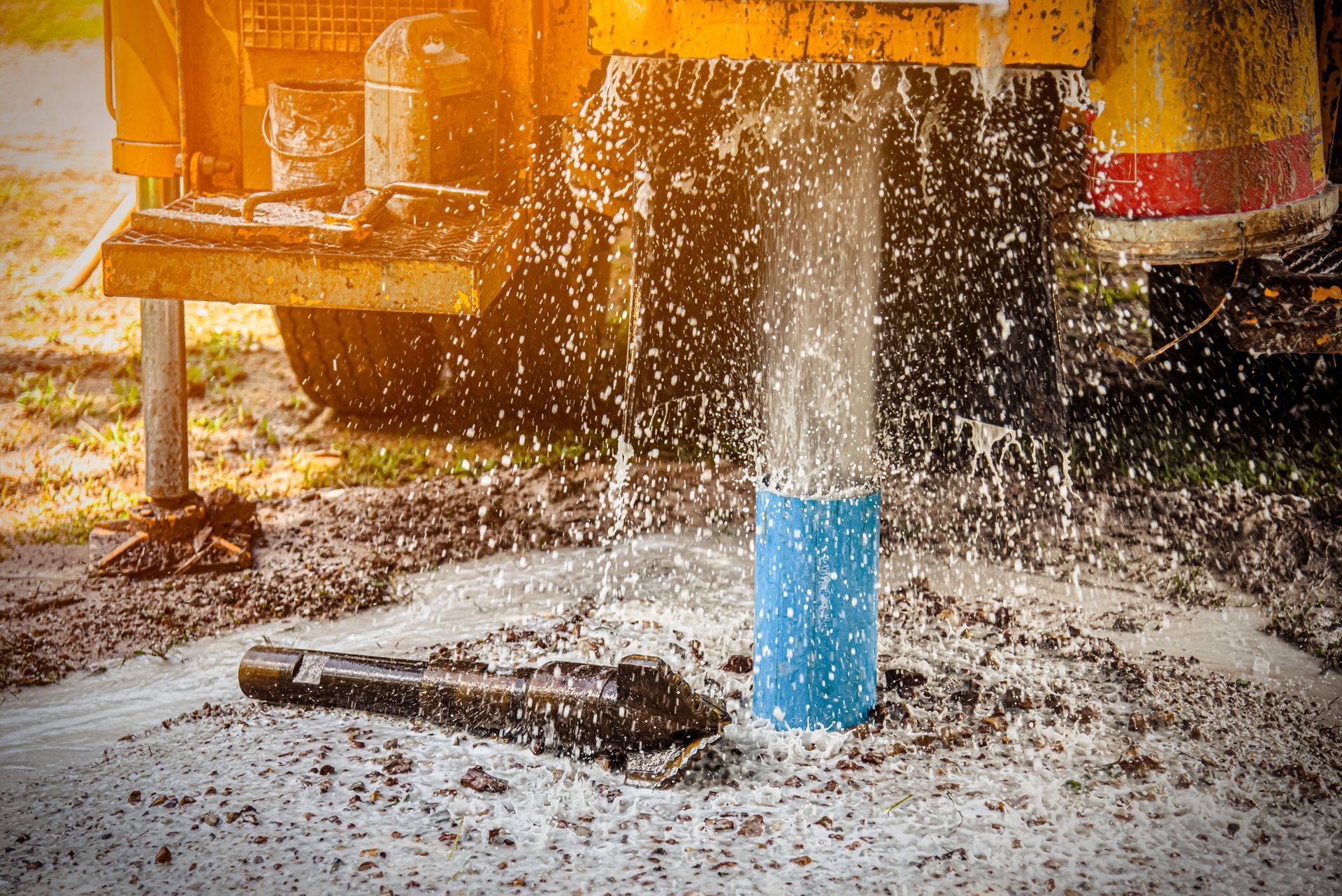
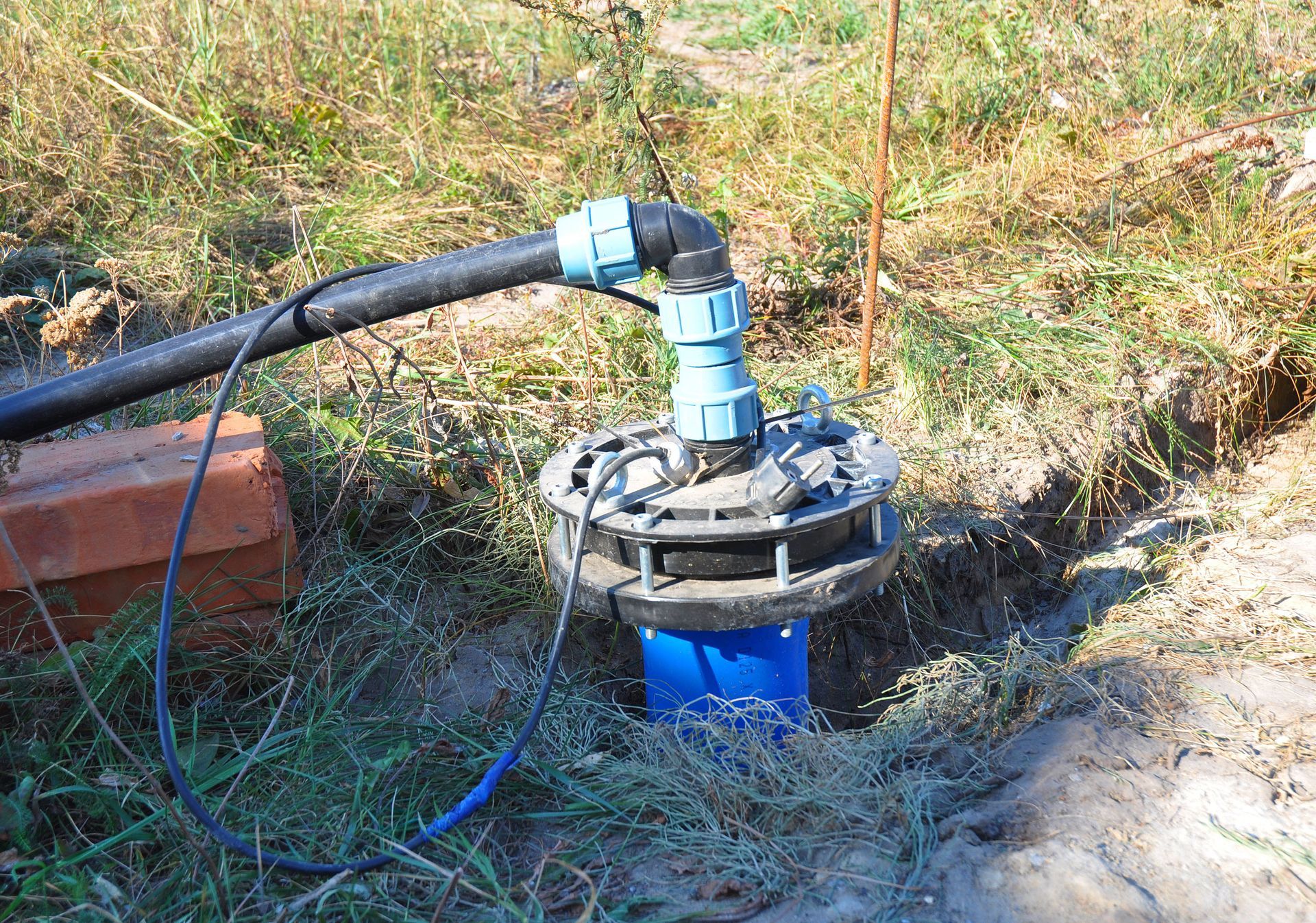
The primary steps in geothermal well drilling include site assessment, drilling, and installation of heat exchange systems. During the site assessment, professionals evaluate the geological and hydrological characteristics of the property to ensure it is suitable for geothermal energy. Drilling is typically performed using rotary techniques to create holes that can reach depths ranging from 150 to 400 feet or more, according to our experience, depending on the geothermal system's requirements. After the wells are drilled, piping systems are installed to enable the continuous flow of geothermal fluids, optimizing the energy efficiency of your heating and cooling systems. Each component of the geothermal system must be tailored to specific site conditions to maximize efficiency and cost-effectiveness. Regular maintenance checks and system updates are essential to maintain optimal performance over the years. Advanced systems may also incorporate features such as remote monitoring and control to enhance user convenience and operational efficiency. This approach ensures that future technology updates and retrofits can seamlessly be integrated into the existing setup.
Assess Project Timeline
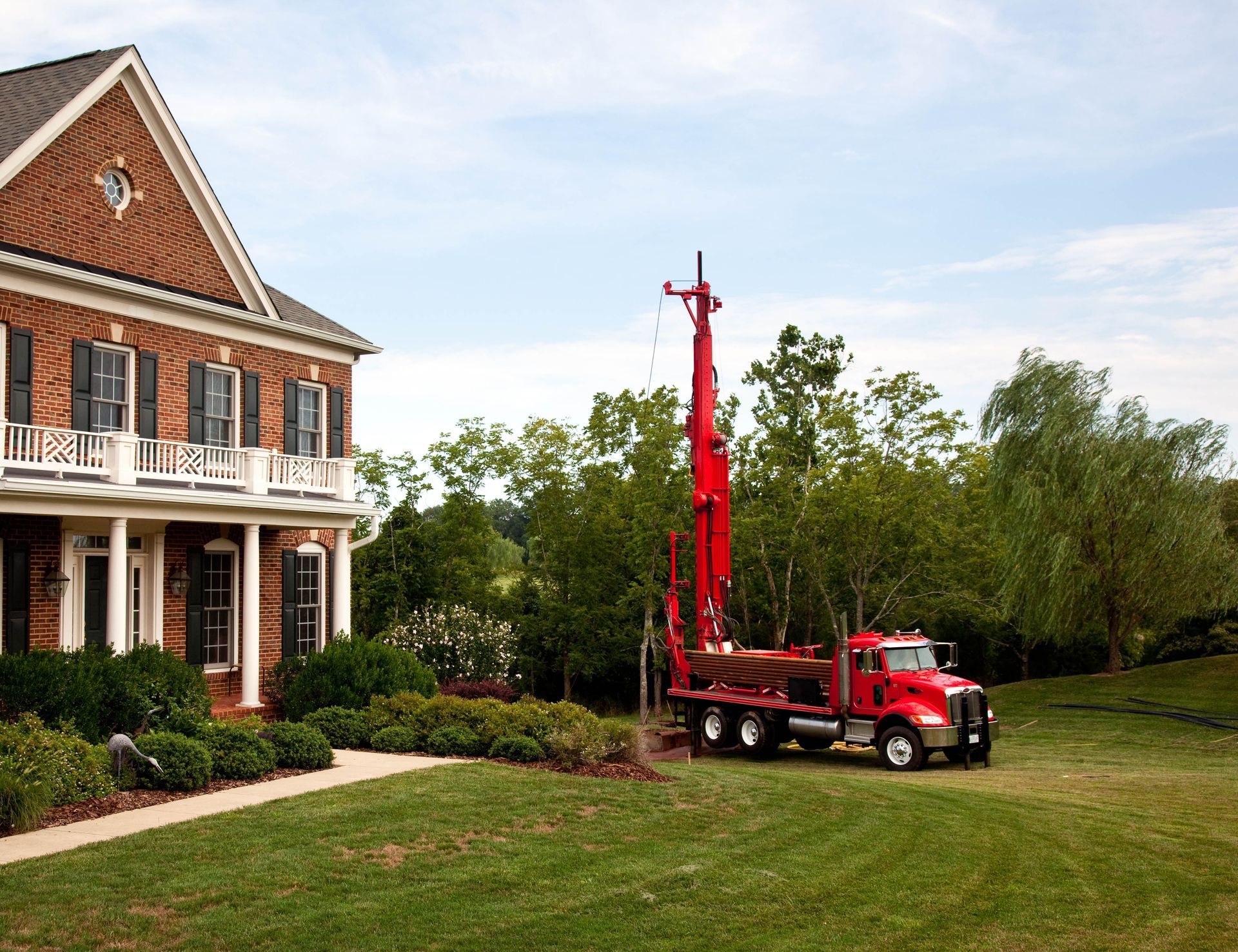
The timeline for drilling a geothermal well varies depending on several factors, such as the size of the property, the soil type, and weather conditions. On average, a residential geothermal well can take about three to five days to complete, including drilling and system setup. For larger commercial properties, the process may take longer due to the complexity and number of wells needed to meet the heating and cooling demands. The chosen drilling technology and availability of equipment also play a crucial role in determining the project timeline. Adverse weather conditions could pose additional challenges and delay the process, highlighting the importance of flexibility in scheduling. Working closely with the installation team ensures timely progress updates and allows for any necessary adjustments to be made efficiently. Open communication between all parties is vital for addressing any unforeseen issues promptly and effectively.
Proper planning can significantly influence the duration of the geothermal well drilling process. It's essential to work with experienced professionals who can assess potential challenges and optimize the drilling strategy accordingly. By doing so, property owners can reduce unnecessary delays and ensure a smoother installation process. In addition, acquiring the necessary permits before commencing the project aids in avoiding legal obstacles that could extend the timeline. Establishing a realistic timeline with the contractor helps keep the project on track and reduces stress. Furthermore, addressing potential construction site issues ahead of time ensures the drilling process proceeds without unexpected interruptions. Considering potential risks and preparing contingency plans are also key strategies in maintaining project momentum. Efficiency in project management not only benefits the timeline but also reduces overall project costs.
Understand Benefits and Longevity
Investing in geothermal well drilling offers several significant advantages. One of the most notable benefits is the reduction in energy consumption and emissions. According to the United States Department of Energy, geothermal heat pumps can reduce energy consumption and emissions by approximately 44% compared to air-source heat pumps and about 72% compared to standard air-conditioning equipment. This efficiency translates into lower utility bills and reduced environmental impact, making geothermal energy a sustainable choice for the long term. Enhanced energy efficiency contributes to a meaningful decrease in a property’s carbon footprint, aligning with global efforts to combat climate change. Improved indoor air quality is also a notable advantage, as geothermal systems do not rely on combustion processes that may release pollutants. Many government incentives and rebates are available to further offset installation costs and promote adoption. As awareness of environmental issues grows, the adoption of geothermal technology is likely to become even more widespread.
Another key benefit is the durability and longevity of geothermal systems. Unlike conventional HVAC systems, geothermal systems have fewer moving parts, reducing the likelihood of mechanical failures and costly maintenance. The underground components of the system are protected from environmental wear and tear. This reliability, combined with the cost savings on energy bills, makes geothermal well drilling a prudent investment for property owners seeking an environmentally friendly and financially sound solution for temperature regulation. The thermal exchange process used by geothermal systems ensures consistent performance even during extreme temperatures, further emphasizing their resilience. Additionally, increasing property values can be seen as another long-term financial benefit for those with geothermal systems installed. Many property owners find that the benefits extend into future considerations, such as resale value or the likelihood of additional tax incentives. The widespread adoption of geothermal systems may also stimulate further advancements and support in renewable energy infrastructure and technology. As governments and industries focus more on sustainability, geothermal systems could see enhanced integration in smart city planning and development projects.
While drilling a geothermal well is an investment and involves various considerations, the long-term benefits often outweigh the initial costs and potential risks. By understanding the process, costs, timeline, benefits, and risks, property owners can make informed decisions about integrating geothermal energy systems into their homes or commercial spaces. Professional guidance is invaluable throughout the decision-making and installation processes to ensure optimal results. Comprehensive research and careful planning can lead to substantial savings and increased property value over the system's lifespan. In addition, embracing geothermal energy reflects a commitment to sustainable practices, contributing to broader environmental protection efforts. As sustainability becomes a central focus for many, embracing geothermal solutions can position property owners as leaders in environmental responsibility. Reach out to Falk Drilling Inc to learn more about our geothermal well drilling services today.

Share On: