

Things That Can Affect Well Drilling Results
A private well can provide a dependable source of water for a home or property, but the outcome of a drilling project depends on much more than simply choosing a location and creating a hole in the ground. Conditions beneath the surface, characteristics of the property, equipment choices, and long-term water demands can all influence how a well performs. Because many of these factors are not immediately visible, careful evaluation is an important part of planning a successful project.
Professional well drilling involves understanding both the site and the underground environment before determining the appropriate approach. Even properties located near one another can have noticeably different conditions below the surface. Recognizing the variables that may affect drilling allows property owners to have more realistic expectations regarding depth, water availability, construction, and future well performance.
Understanding How Geology Can Affect Results
Underground geology is one of the most significant influences on a drilling project. Soil, sand, gravel, clay, and different types of rock can occur in varying layers beneath a property. These materials affect how drilling progresses and what techniques or equipment may be appropriate for reaching a usable water source.
Rock formations can be particularly important because their density, composition, and fractures may influence where groundwater is stored or able to move. A formation that allows water to travel through cracks or openings can behave differently from dense material with limited pathways for groundwater. Professionals evaluate available information about local geological conditions when determining how to approach the site.
Geology can also influence the stability of the borehole during well drilling. Certain materials may require additional consideration to maintain the integrity of the well and protect the water supply. Understanding these underground characteristics helps professionals adapt the project to the actual conditions encountered rather than relying on assumptions about what lies beneath the property.
Understanding How Groundwater Can Affect Results
The presence of groundwater does not automatically mean that every location will produce the same amount of usable water. Groundwater levels and movement can vary depending on local formations, surrounding terrain, precipitation patterns, and other environmental conditions. The depth at which water is encountered may therefore differ substantially from one property to another.
A productive well must do more than simply reach groundwater. The surrounding formation must also be capable of supplying water at a rate that supports the property’s expected needs. Professionals consider water-bearing zones and site conditions when evaluating potential performance.
Groundwater conditions can also change over time. Seasonal weather patterns, extended dry periods, and changes in regional water use may influence groundwater levels. These considerations are important because the goal of well drilling is not merely to encounter water during construction but to establish a source capable of serving the property reliably under typical operating conditions.
Understanding How Location Can Affect Results
Choosing an appropriate location on the property is another major consideration. The drilling area must be evaluated in relation to the property’s layout, terrain, structures, access points, and potential sources of contamination. A location that appears convenient from the surface may not necessarily offer the most suitable conditions below ground.
Topography can affect how water moves across and beneath a property. Drainage patterns and surrounding land features may therefore be relevant when evaluating possible drilling areas. Existing infrastructure must also be considered so that the well can function as part of the property’s overall water system without creating unnecessary complications.
Location decisions may additionally be influenced by applicable requirements governing setbacks or separation from certain property features. Professional well drilling takes these site-specific considerations into account before work begins. Evaluating the complete property rather than focusing only on an open area can help support both proper well construction and long-term water quality.
Understanding How Depth Can Affect Results
Required drilling depth varies because groundwater and suitable water-bearing formations are not found at a uniform level everywhere. A neighboring property may offer useful information about general local conditions, but its well depth does not guarantee that another property will encounter the same underground formations or water supply.
As drilling progresses, professionals assess the materials and conditions encountered below the surface. The appropriate depth depends on the site’s geology and where a suitable water-producing zone can be established. For this reason, determining the final depth is tied to actual subsurface conditions rather than simply selecting a predetermined measurement.
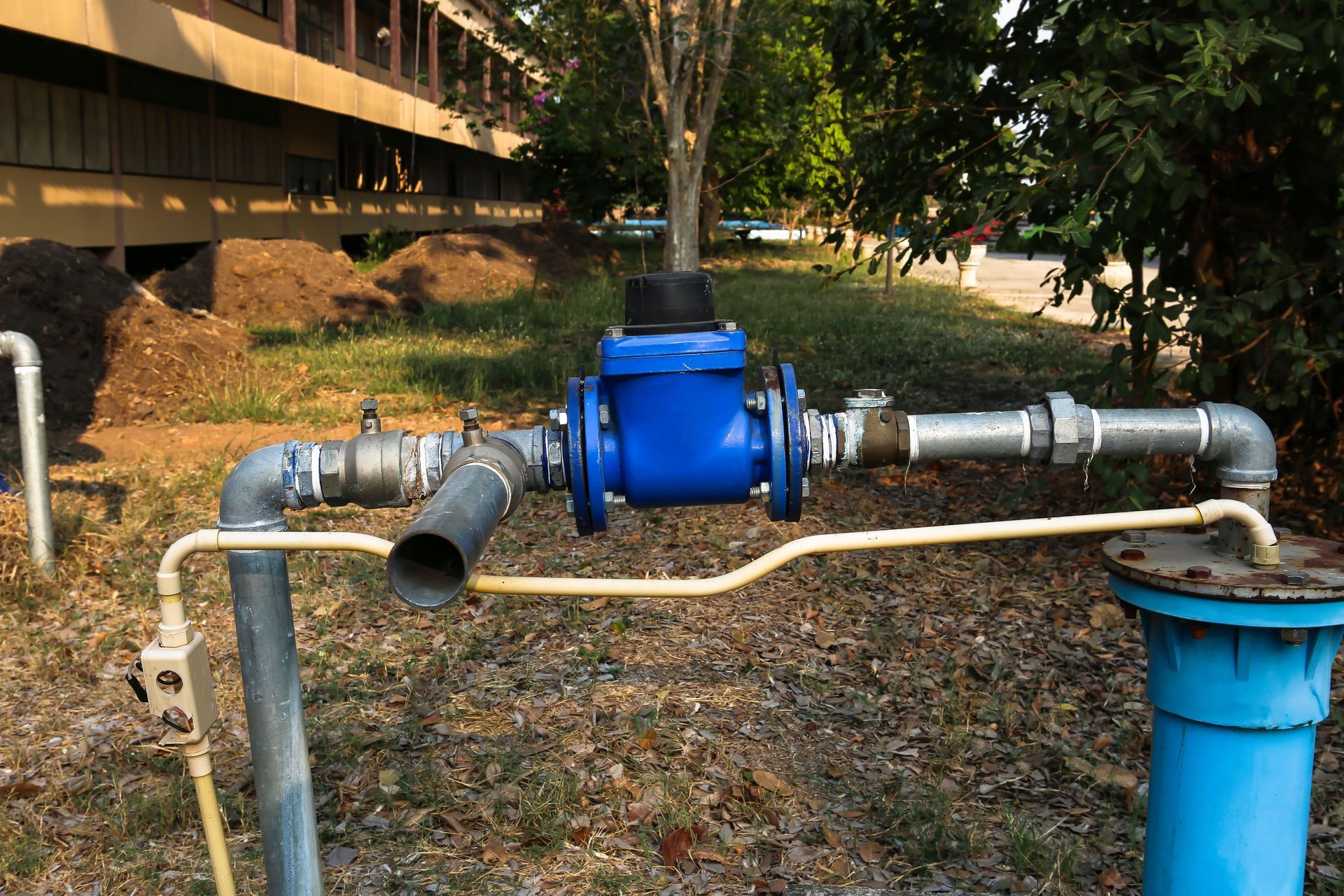
Depth can also affect other aspects of the completed water system, including the equipment needed to move water effectively to the surface. A professional approach to well drilling considers the relationship between depth, available groundwater, construction requirements, and anticipated water use so the finished system is suited to the property.
Understanding How Water Demand Can Affect Results
The amount of water a property needs is an important part of planning a well. Household size, plumbing demands, landscaping, agricultural activities, and other water uses can influence what the completed system needs to support. A well that provides adequate water for one property may not necessarily meet the demands of another.
Water demand should therefore be considered alongside the expected production of the underground water source. Professionals can evaluate how the well and related equipment should work together to provide water efficiently. This broader perspective helps ensure that the project is planned around actual property needs rather than groundwater access alone.
Understanding How Construction Can Affect Results
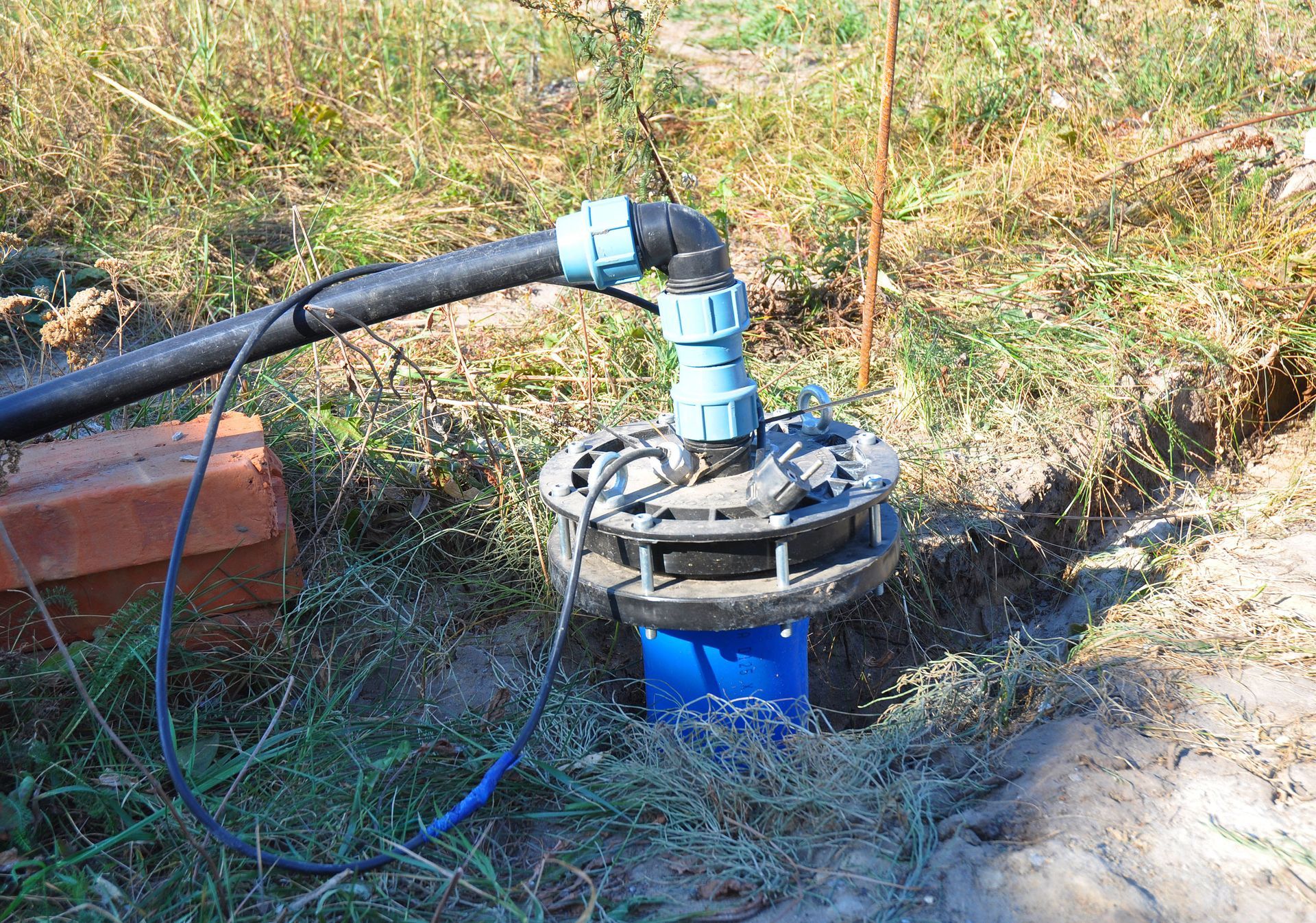
Proper construction plays an essential role in protecting the well and maintaining dependable performance. Components such as casing and sealing help separate the water supply from surrounding materials and potential surface contaminants. The specific construction approach depends on the conditions encountered at the site and applicable requirements.
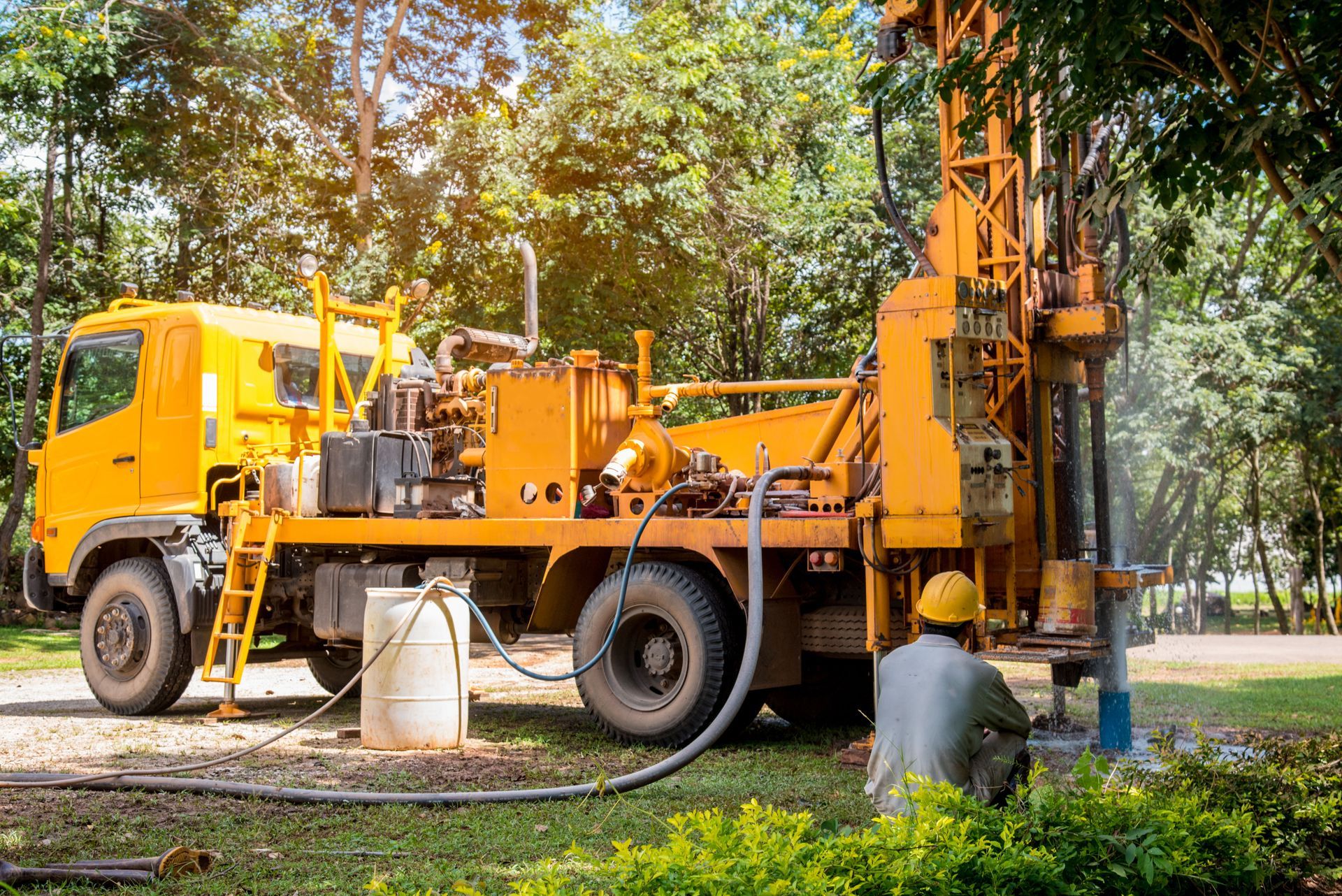
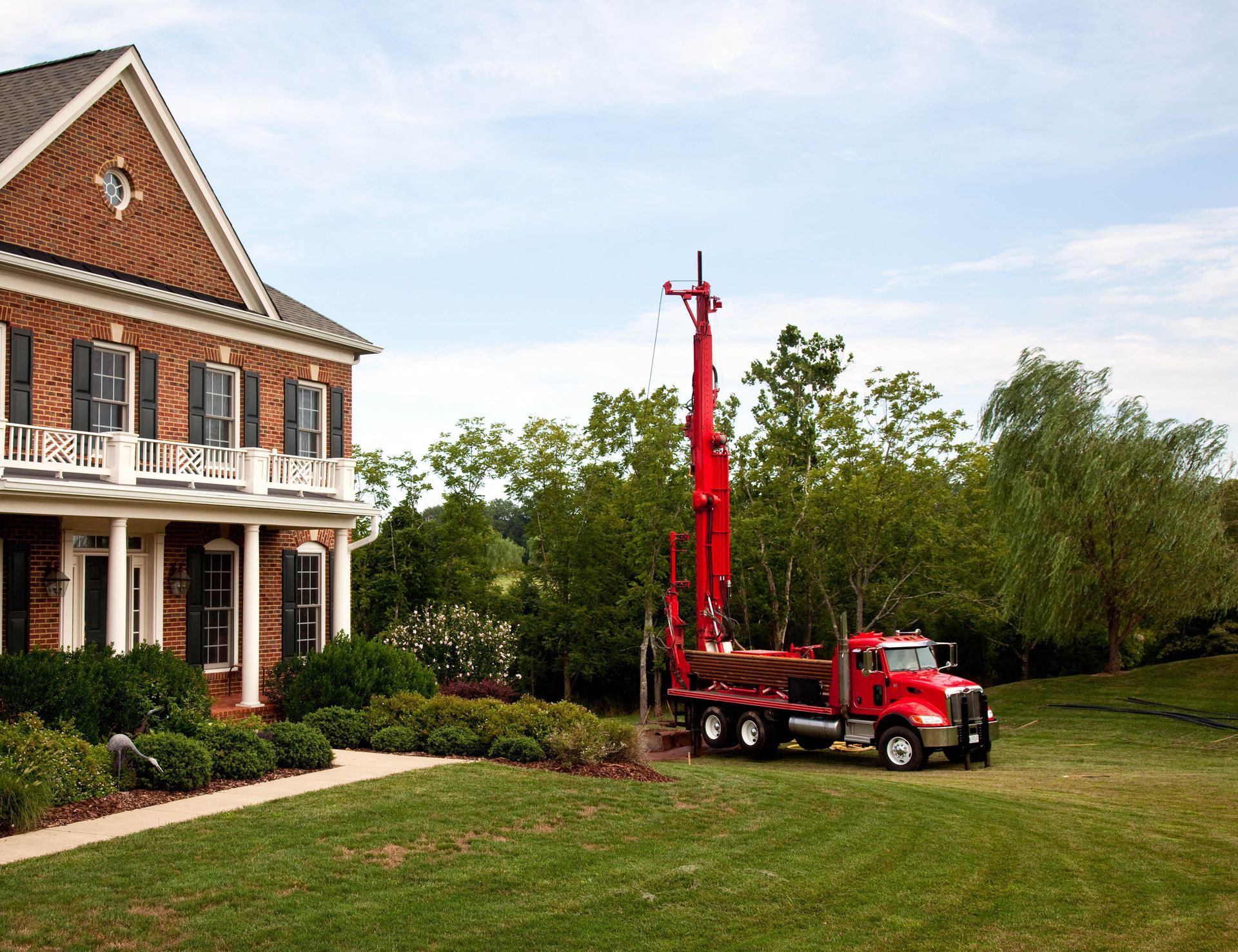
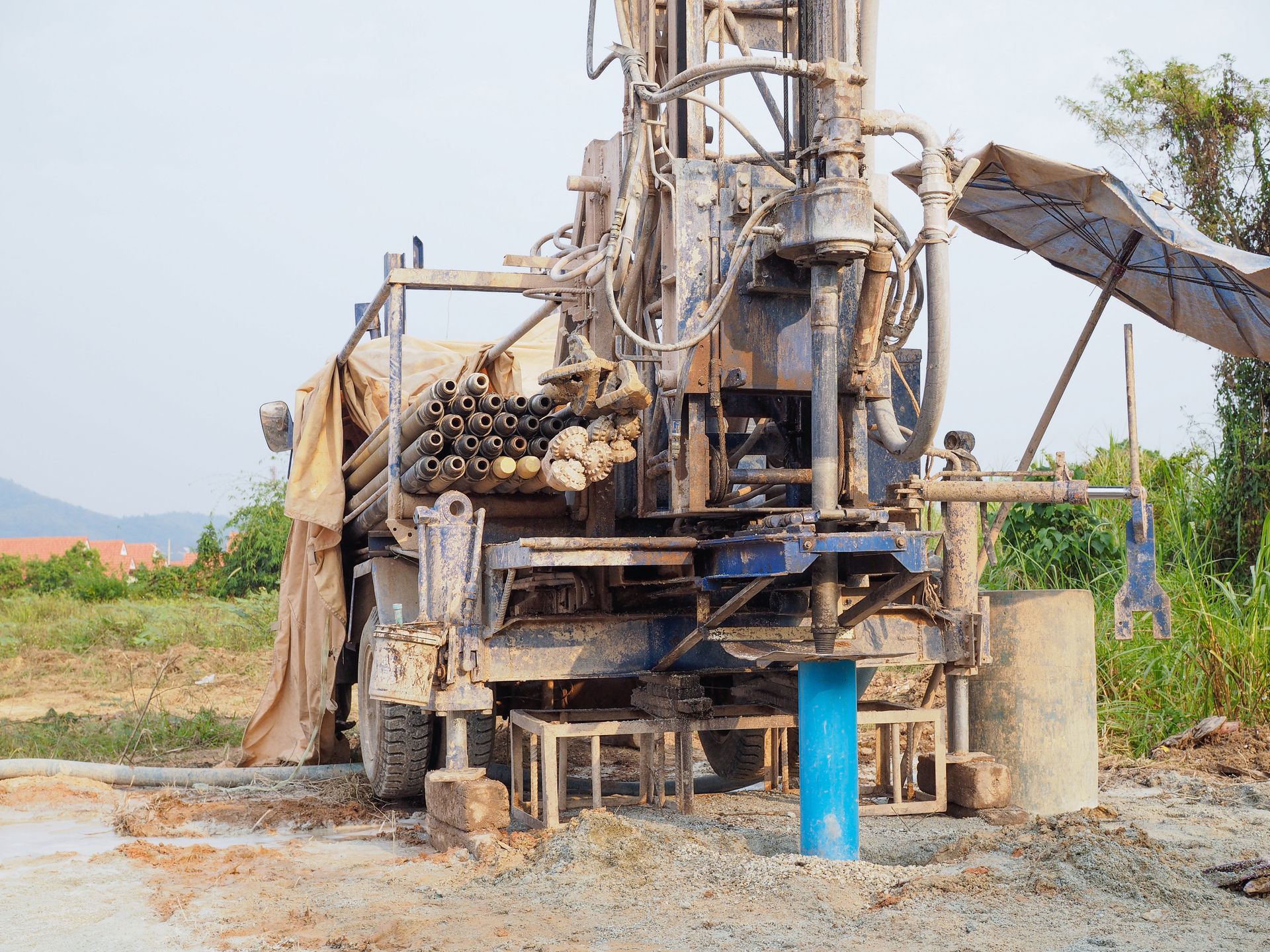
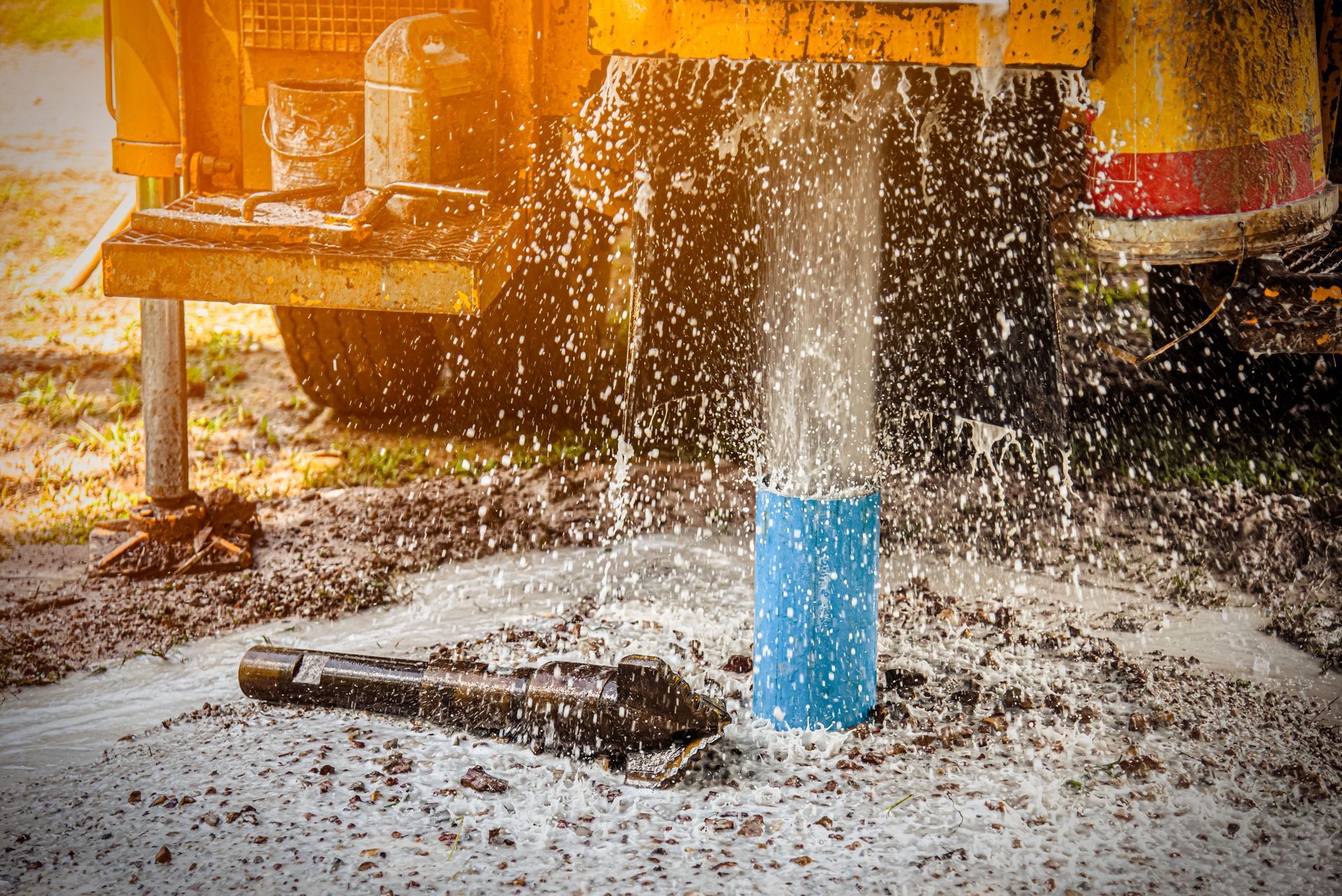
Professional equipment is equally important. Drilling through changing underground formations requires machinery suited to the materials, depth, and site conditions involved. Experienced professionals can respond when subsurface conditions differ from expectations and adjust their approach based on what is actually encountered.
Construction quality also matters beyond the initial project. A well is a long-term part of a property’s infrastructure and may eventually require service, maintenance, or replacement. In fact, according to HomeAdvisor, most homeowners need to drill or redrill a well every 10 to 20 years. Careful well drilling and appropriate construction provide a foundation for managing the water source throughout its useful service life.
Understanding How Water Quality Can Affect Results
A successful project is not evaluated solely by whether water reaches the surface. Water quality is another important consideration because naturally occurring minerals, local geology, and surrounding environmental conditions can influence the characteristics of groundwater.
Testing provides information about the water produced by a newly completed well. Depending on the findings, property owners may need to consider treatment or other water-management solutions appropriate for the specific conditions present. Because groundwater characteristics can differ between nearby properties, assumptions based on another well are not a substitute for evaluating the actual water source.
Protecting water quality also involves proper well construction and placement. Separating the well from potential contamination sources and preventing unwanted surface water from entering the system are important considerations. Incorporating water-quality concerns into well drilling planning helps create a more complete picture of what the finished water system will require.
Understanding How Professional Planning Can Affect Results
Every property presents a different combination of geology, groundwater conditions, water demand, and physical constraints. These variables explain why drilling outcomes cannot be predicted solely from what happened on a nearby property. Professional evaluation helps bring those factors together so decisions can be based on the conditions of the specific site.
Planning also provides an opportunity to consider the well as part of a complete water system. Depth, production, equipment, construction, and water quality are interconnected, and changes in one area may influence decisions in another. Addressing these considerations together can help property owners understand what to expect from the project and how the completed system will serve their needs.
For professional well drilling services, contact Falk Drilling Inc. We can evaluate your property’s needs, discuss the factors that may influence your project, and help you understand the options available for establishing a dependable water source. Reach out to us to learn more about our services and discuss your property.
Share On: