

Groundwater vs. Surface Water: 9 Reasons Why Underground Makes Sense for Your Water Needs
Choosing the right water source is essential for both personal and industrial uses because water quality and availability directly impact health, economic activities, and ecological preservation. Groundwater and surface water are the two primary sources available, each possessing distinct characteristics. Opting for groundwater offers several advantages in sustainability, quality, cost-effectiveness, and reliability. For many communities, working with a local water well company is the right way to access these benefits efficiently and responsibly.
1. Offers Greater Availability and Volume
Groundwater is water found beneath the Earth’s surface in soil pores and rock fractures. It forms a crucial part of the Earth’s natural resource pool, playing a pivotal role in the drinking water supply and agricultural irrigation. Unlike surface water, groundwater is less susceptible to contamination due to its protected underground location. It naturally replenishes through precipitation and can be accessed via wells, making it an invaluable resource, especially in arid and drought-prone areas. According to the National Ground Water Association, groundwater is present at volumes 20 to 30 times greater than the combined water found in all lakes, streams, and rivers across the U.S. at any given time. This vast volume ensures a more dependable water supply even when surface sources are limited or depleted.
2. Ensures Sustainable Recharge Through Natural Processes
The water cycle is an ongoing process powered by solar energy, with groundwater recharge being a key component. When precipitation infiltrates through soil and rock layers, it replenishes underground aquifers. Recharge rates vary depending on rainfall, soil composition, and landscape features, which makes sustainable groundwater management critical to avoid depletion. Groundwater's cyclic nature ensures aquifers remain a dependable water source when properly balanced with extraction rates. A local water well company can help manage recharge and extraction to maintain this delicate balance over the long term. Proper management safeguards these underground reserves for future generations while supporting current water needs.
3. Provides Naturally Filtered, Higher-Quality Water
Water passing through soil layers undergoes natural filtration that removes many impurities. Minerals and soil particles adsorb contaminants during this process, which reduces pathogens, turbidity, and chemical imbalances more effectively than surface water systems. As a result, groundwater often requires less treatment before use, lowering overall water treatment costs. Utilizing this natural purification process helps reduce water quality risks and ensures safer drinking water. This natural filtration also contributes to better-tasting and clearer water, enhancing user satisfaction and health.
4. Delivers Reliable Distribution Through Aquifers
Groundwater is stored in geological formations called aquifers, which act as underground reservoirs spread across nearly every continent. This decentralized source is often more accessible than large surface water bodies, especially in regions where lakes and rivers are seasonal or scarce. Proper monitoring and geomapping technologies assist in managing groundwater sustainably, minimizing risks of over-extraction. This makes groundwater a reliable water source that local water well companies can help tap into responsibly, ensuring long-term availability for residential, agricultural, and industrial needs. The underground nature of aquifers also protects the water supply from surface disruptions and contamination events.
5. Supports Diverse Uses Across Sectors
Groundwater supports a wide array of uses, including domestic consumption, agricultural irrigation, industrial applications, and ecological management. A large portion of global irrigation water derives from groundwater, underscoring its significance in food production. Industries rely on this high-quality water for manufacturing and cooling processes. Groundwater’s consistent supply contrasts with the seasonal variability of surface water, offering security for drought-prone areas. It also sustains wetlands and springs vital to local ecosystems, further emphasizing its importance. This broad utility makes groundwater an indispensable resource for communities and economies alike.
6. Avoids Surface Water Quality Fluctuations and Pollution
Surface water is readily accessible and visible in rivers, lakes, and reservoirs, making it a common choice for immediate water needs. However, its accessibility makes it vulnerable to pollution from agricultural runoff, urban development, and industrial discharge. Infrastructure for collection, such as dams and channels, can be costly and have environmental impacts. Seasonal and geographic variations also affect surface water reliability, highlighting the need to supplement it with groundwater supplies. Engaging a local water well company allows for a balanced water strategy that reduces dependency on surface sources. This reduces the risks associated with contaminated or unpredictable surface water and helps maintain a cleaner, safer supply.
7. Reduces Cost Through Lower Treatment and Maintenance
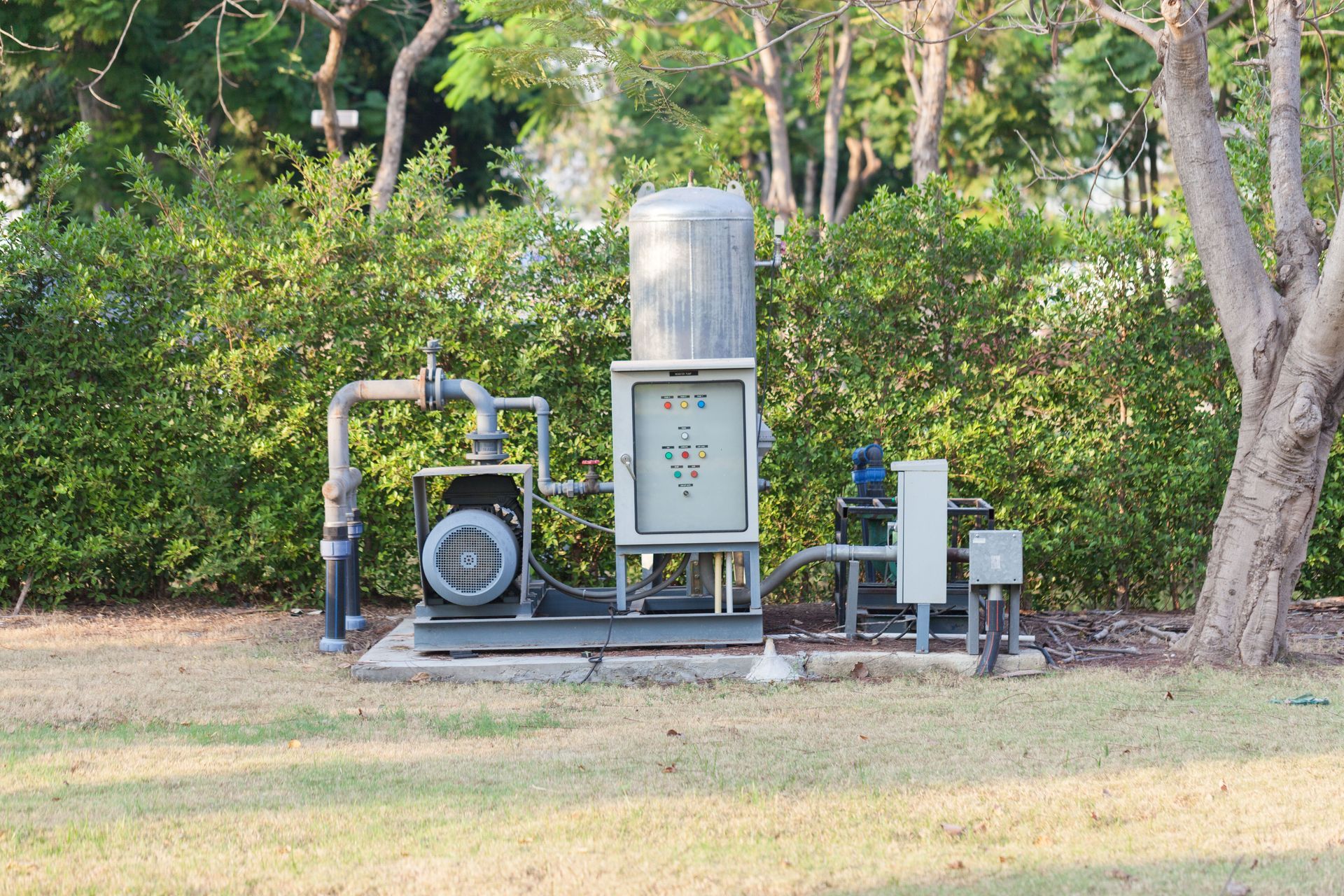
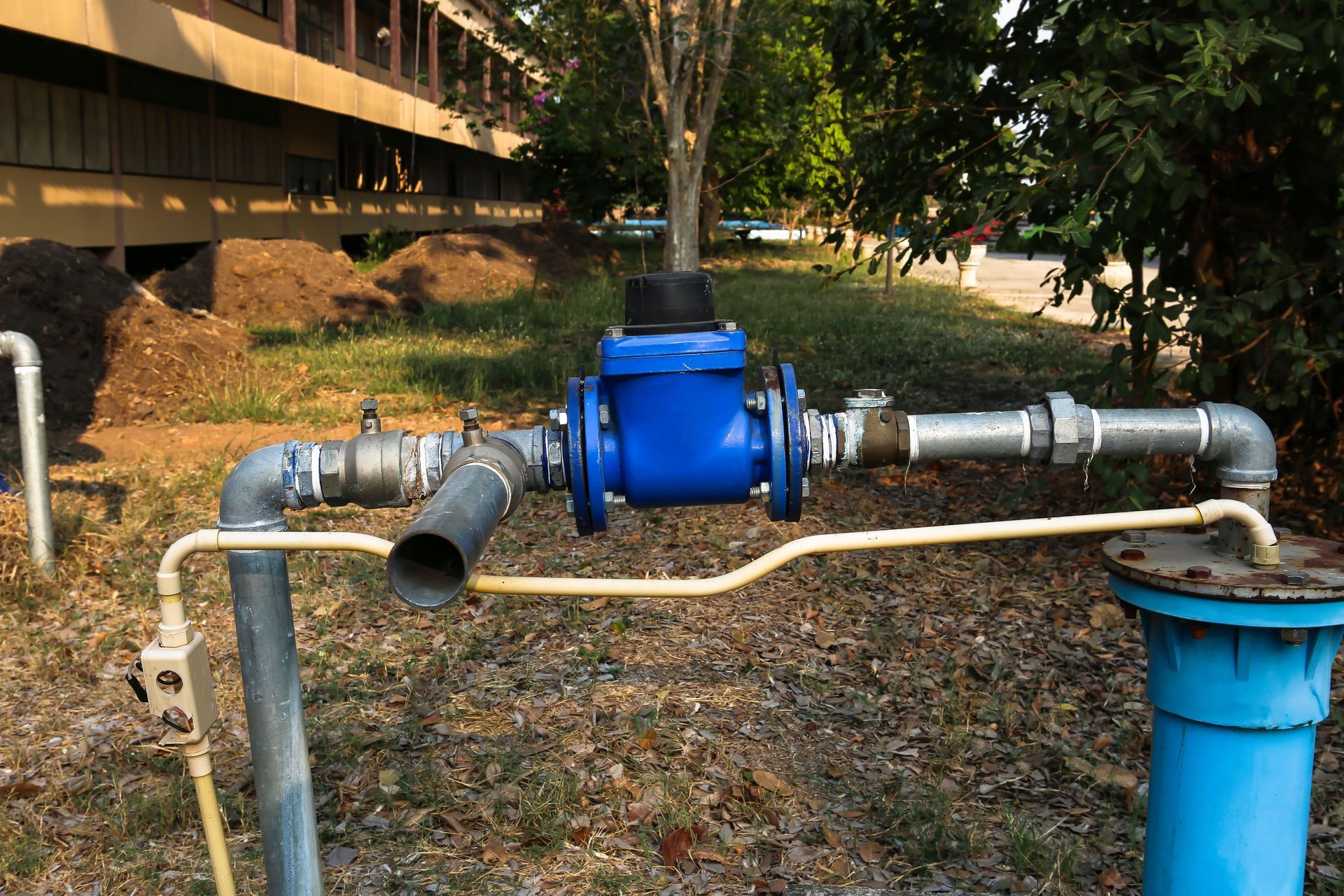
Initial infrastructure costs for groundwater involve drilling wells, installing pumps, and setting up distribution systems. These upfront investments can be considerable but are often offset by long-term benefits such as steady water access and lower treatment expenses. Wells can be strategically located for sustainable withdrawal, reducing maintenance needs. Compared to costly surface water infrastructure like dams, groundwater systems often offer a more manageable financial commitment. Local water well companies provide expert planning and installation to maximize these economic advantages. Furthermore, groundwater systems generally require less maintenance and operational costs once established. Regular well health monitoring maintains extraction quality and longevity, while natural water quality stability cuts down treatment expenses. Over time, these factors make groundwater a financially sound choice for a reliable water supply.
8. Enhances Environmental Sustainability and Conservation
Groundwater plays a vital role in sustaining ecosystems by feeding aquifers, supporting baseflows, and maintaining wetlands. This steady subsurface water supports plant and animal life during dry periods, preserving biodiversity. Sustainable extraction practices are essential to avoid depleting aquifers and harming ecosystems. Local water well companies emphasize environmental responsibility through promoting recharge efforts and balanced water use to protect these natural systems. Strategic land use and water management, such as controlled irrigation and vegetative buffers, further reduce contamination risks and support conservation initiatives. These efforts contribute significantly to long-term ecological balance and resource preservation.
9. Offers Resilience Against Climate Change Effects
As climate change affects precipitation patterns and surface water reliability, groundwater serves as an essential buffer resource. It supports irrigation and water supply during droughts and extreme weather. Aquifers also help stabilize environmental conditions critical for many species. Groundwater's adaptability makes it a strategic resource for climate resilience, underscoring the value of investing in reliable local water well company services. This adaptability helps communities and industries maintain steady water supplies despite increasing weather variability. Such resilience is crucial as climate change continues to challenge traditional water management approaches.
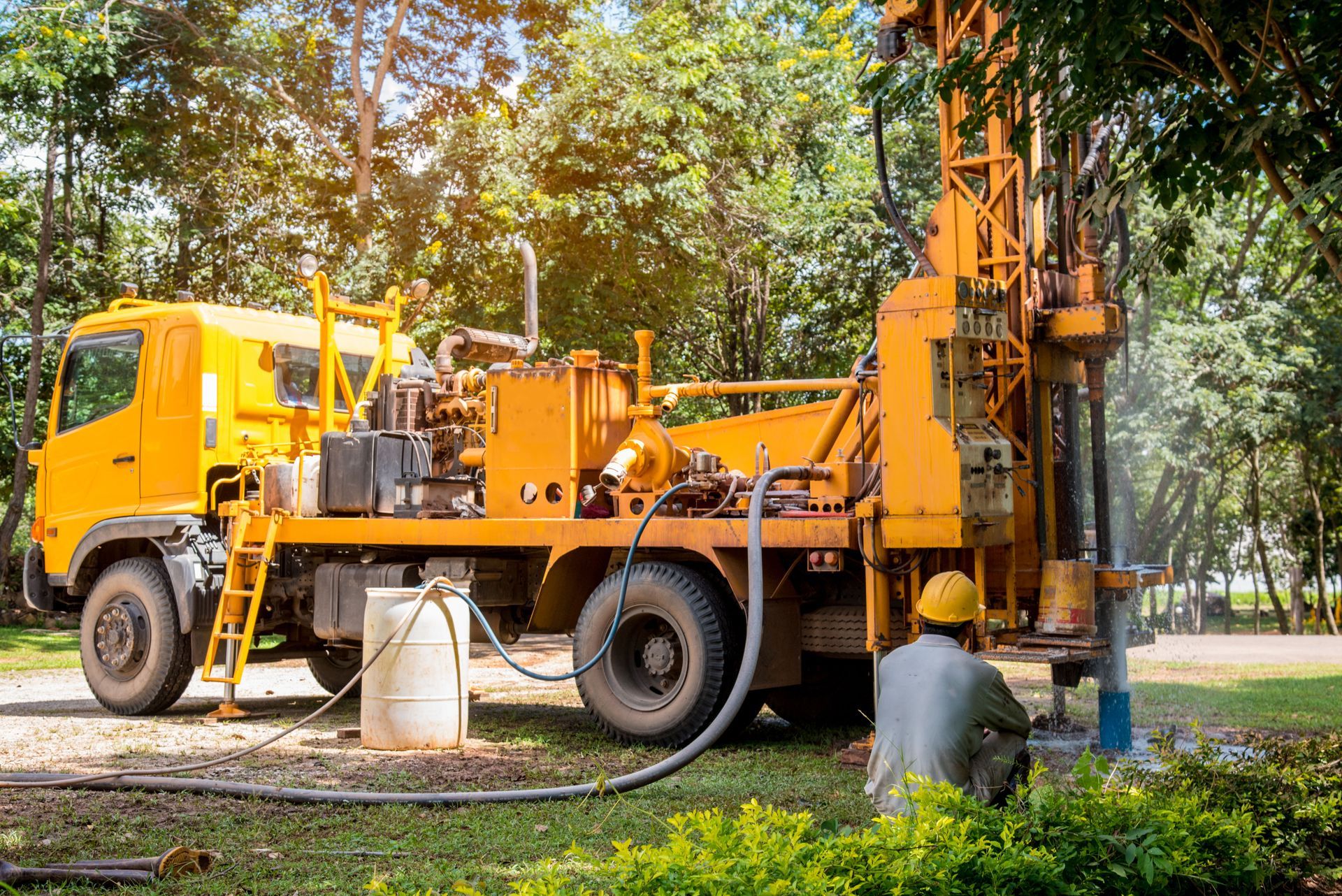
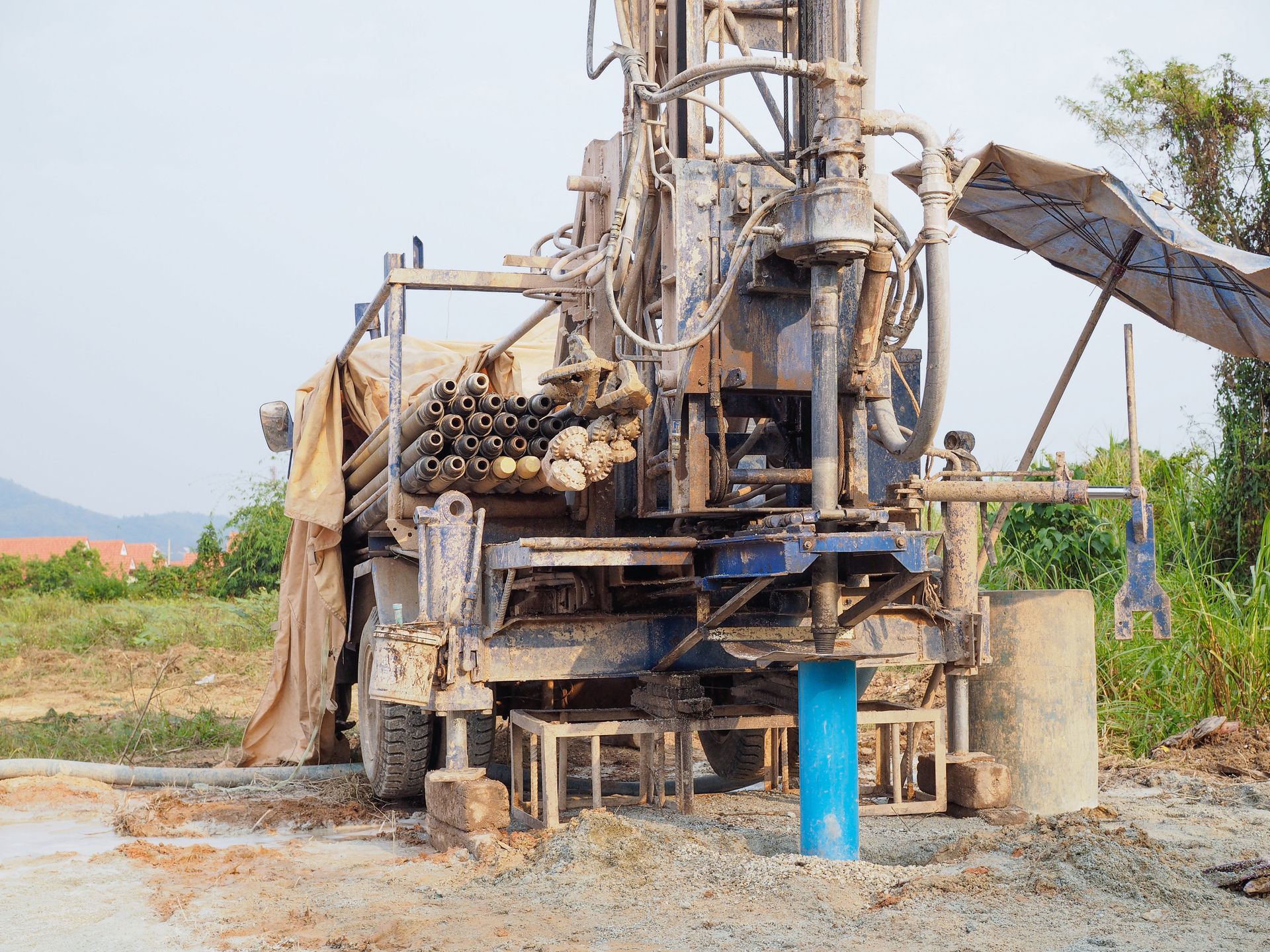
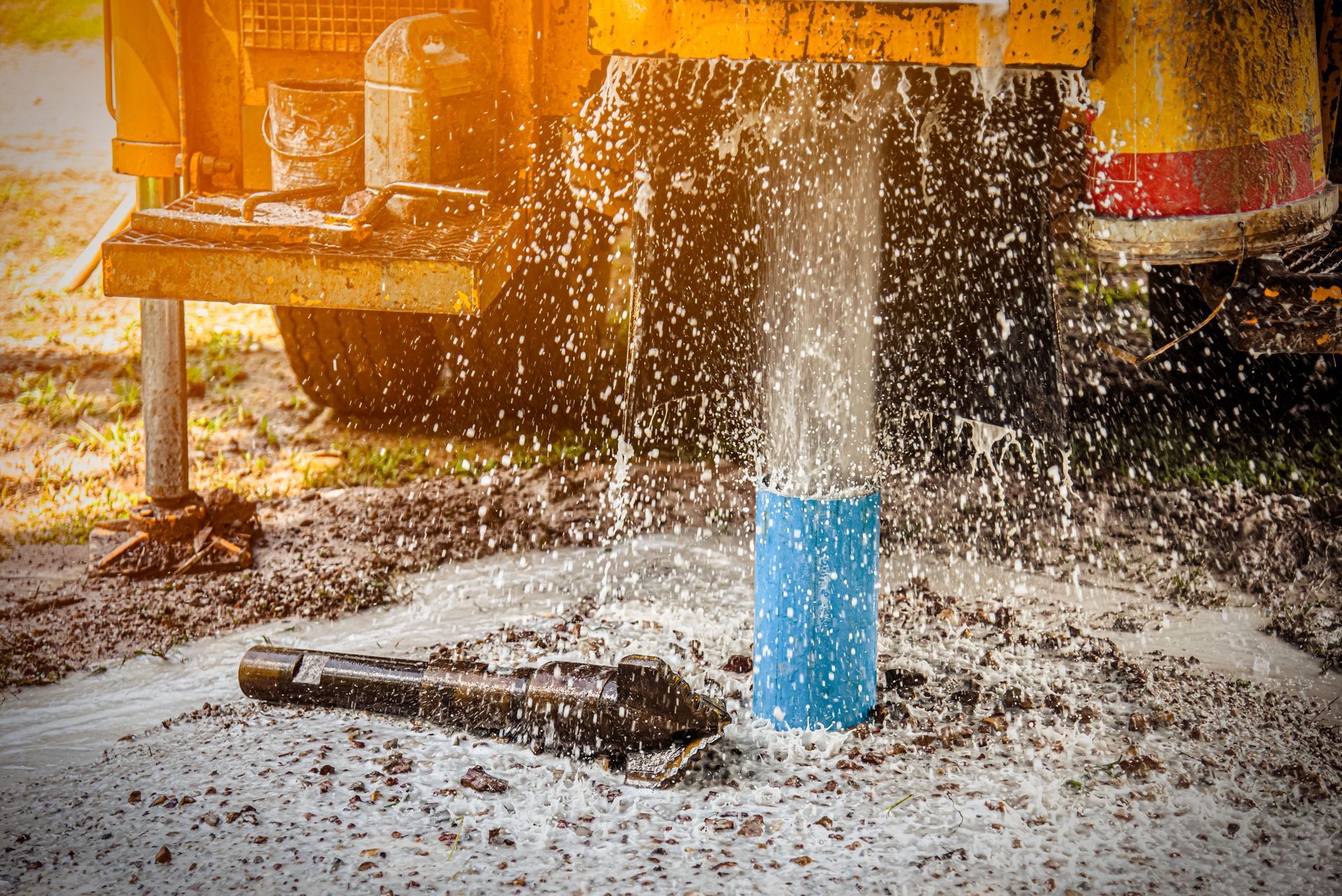
Professional well drilling and installation are essential for accessing quality groundwater efficiently and safely. Experienced local water well companies use advanced drilling equipment and techniques to create durable wells tailored to specific site conditions. Proper installation ensures optimal water flow, longevity, and minimal environmental impact. These expert services reduce risks such as well collapse, contamination, or poor yield, ensuring clients receive reliable water solutions. Partnering with a skilled local water well company guarantees the right infrastructure is in place to meet your water needs effectively. Investing in professional drilling services not only secures your water supply but also safeguards your property’s long-term value and sustainability.
Working with an experienced local water well company ensures efficient access to groundwater through expert well drilling, pump installation, and water system maintenance. These companies provide tailored solutions that comply with regulatory requirements and promote sustainable water use, helping customers meet residential, agricultural, or industrial needs reliably. For professional groundwater services designed to secure your water supply and protect environmental resources, contact Falk Drilling Inc today to explore how we can assist you. Choosing knowledgeable professionals helps guarantee a dependable water source that supports your long-term needs.

Share On: