
5 Things Every Homeowner Should Know About Water Well Maintenance
Owning a home with a private water well means taking on responsibility for your own water supply. Unlike municipal systems where the water is managed and treated for you, your well is your personal resource, and it’s up to you to ensure that the water you’re consuming is safe and that your system is functioning efficiently. For many homeowners, the mechanics of their well are a mystery, only coming into focus when something goes wrong.
However, consistent and proactive maintenance can prevent major, costly repairs down the line and guarantee the longevity of your water source. Understanding how to properly care for your well, from routine checks to recognizing warning signs, is crucial for maintaining a healthy and reliable water supply. Neglecting these essential tasks can lead to contaminated water, equipment failure, and significant expenses that could have been easily avoided. Working with a dedicated water well company can help you manage these needs effectively and keep your system running smoothly.
1. Monitoring Your Water Quality Regularly
One of the most essential aspects of being a well owner is the regular testing of your water. Since your private well isn't regulated by the same standards as municipal water, it’s completely up to you to ensure that the water you use daily is free from contaminants. Routine testing should be conducted at least once a year, even if your water appears clear and tastes fine. Some pollutants, like arsenic, radium, or even high levels of nitrates, are colorless and odorless yet can pose serious health risks.
In addition to the standard annual tests, you should test your water immediately if you notice any sudden changes in taste, color, odor, or clarity. Following any heavy rain or flooding event, which can sweep surface contaminants into your well, testing is also strongly recommended. Partnering with a professional water well company for this testing will ensure accurate results and provide expert analysis of what those results mean for your household's safety. They can advise on proper sampling techniques and connect you with certified laboratories for reliable analysis.
2. Checking Your System's Performance
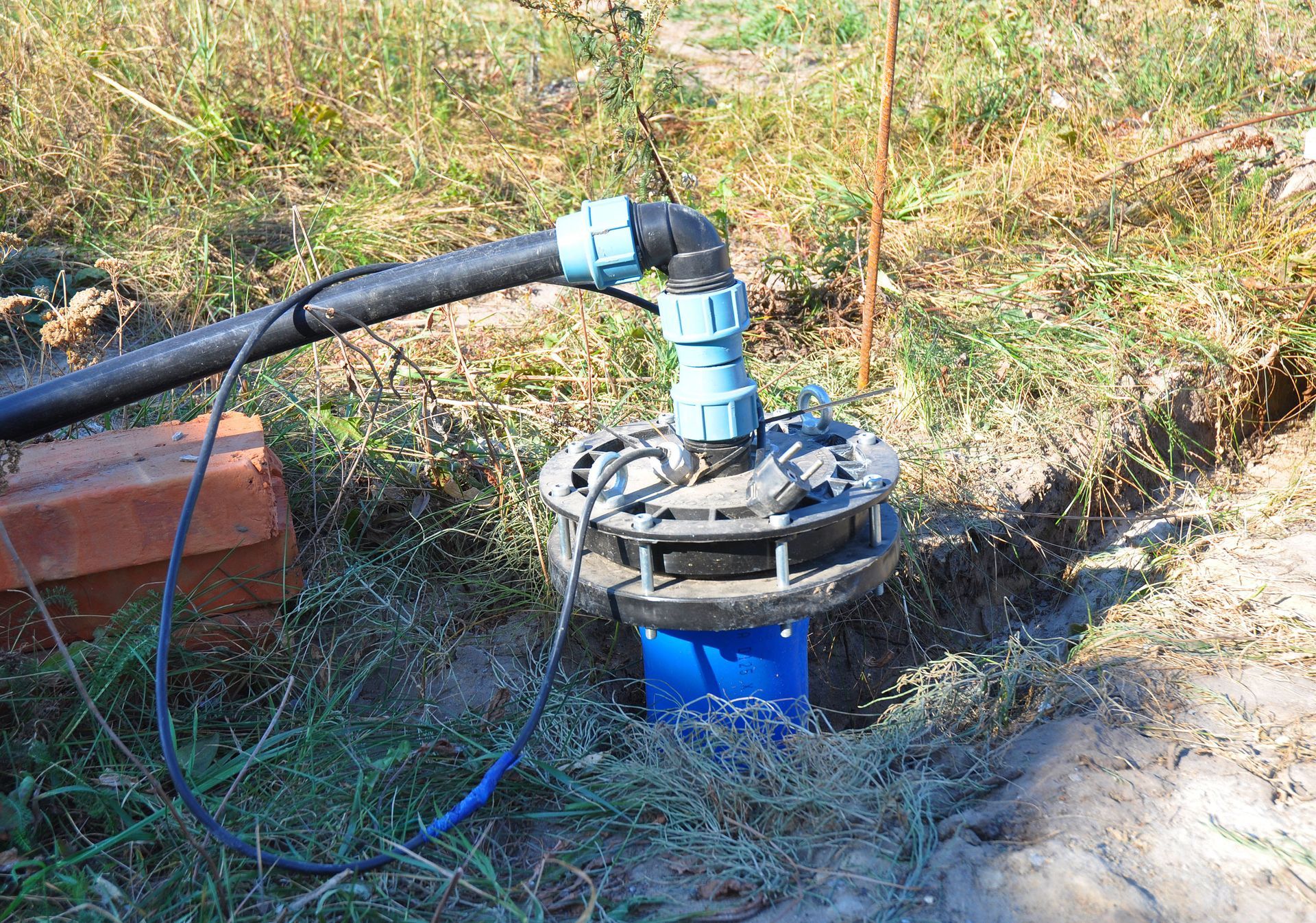
Beyond just the water quality, the physical condition of your entire well system needs to be monitored regularly to prevent breakdowns. A simple visual inspection of the area around your wellhead is a good habit. Ensure the well cap is securely fastened and in good repair, as an unlocked or damaged cap is an open invitation for pests, insects, and surface runoff to enter your water supply. The ground should slope away from the wellhead to facilitate proper drainage. A professional annual inspection by a water well company is highly advisable.
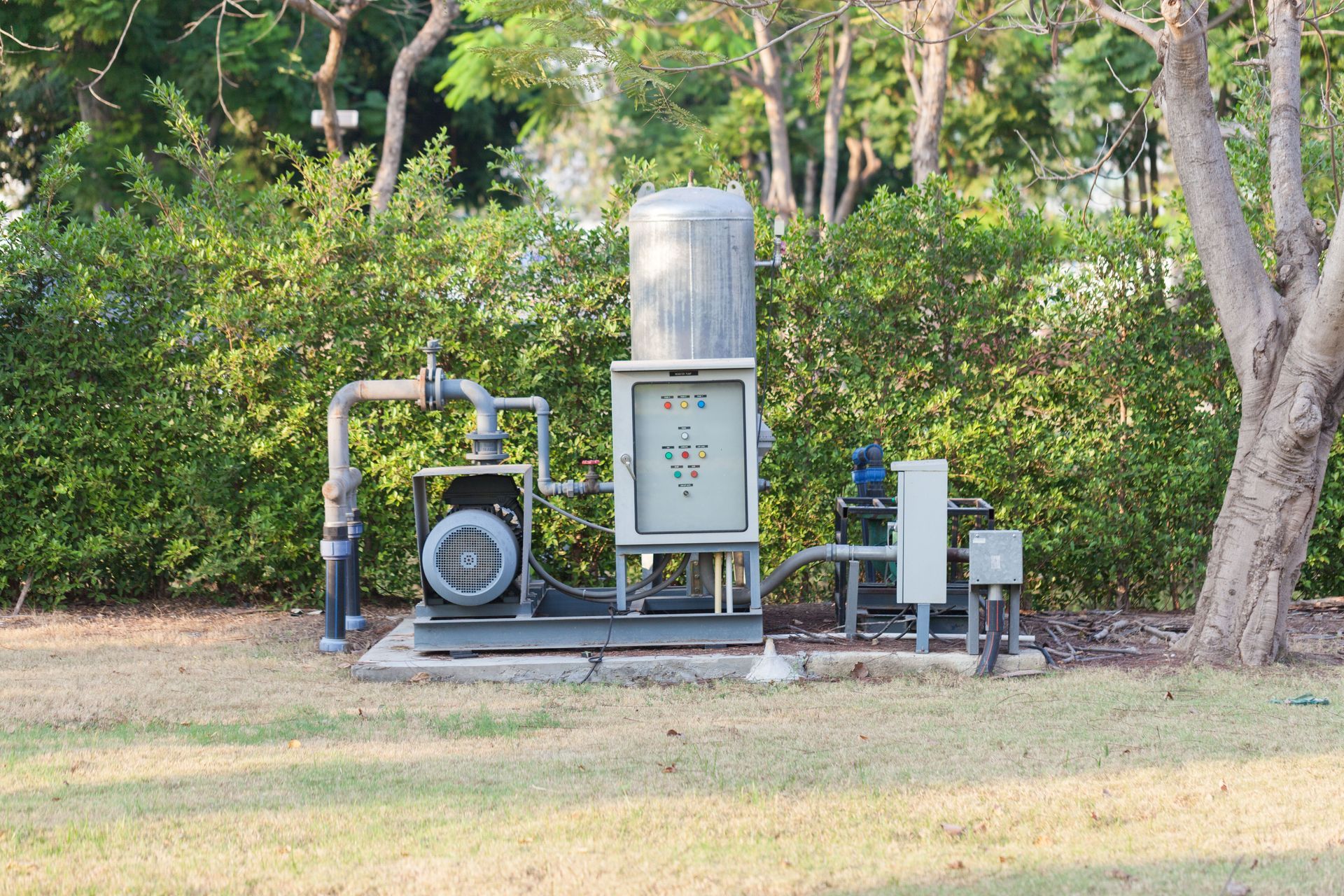
They have the expertise to check all components, including the pump, storage tank, pressure switch, and electrical connections. These system checks identify wear and tear on essential parts before they fail completely. Regular maintenance can significantly extend the lifespan of your entire setup, from the deep-set pump to the plumbing that brings water into your home. Early detection of potential failures can spare you from sudden water outages and the need for emergency repairs, making the investment in routine professional checks invaluable.
3. Updating and Replacing Vital Equipment
Your well relies on a complex series of equipment to deliver water reliably, and this equipment will naturally wear out over time. One of the most critical components is the submersible pump, which does the heavy lifting to pull water from deep within the ground. Understanding the typical lifecycle of this equipment helps you plan for the inevitable replacements. According to HomeGuide, you can generally expect a well pump to last between 8 and 15 years before it requires a replacement. Knowing this timeframe allows you to budget and plan for a replacement rather than face an unexpected, costly, and inconvenient pump failure.
Ignoring the warning signs of a failing pump, such as lower water pressure, a sputtering faucet, or the pump running excessively, can lead to complete failure. It’s always best to be proactive about replacing this and other vital pieces of equipment, such as your pressure tank or filtration system. When the time comes to update your equipment, a reputable water well company can ensure you select the appropriate, correctly sized replacements and that they're installed safely and to all relevant codes.
4. Scheduling Consistent Professional Tune-ups
While homeowner observations and basic visual checks are crucial, they aren't a substitute for professional maintenance. Scheduling a thorough, annual inspection and tune-up with a professional water well company is one of the most proactive steps you can take. These experts will do far more than just look at the system; they'll perform comprehensive tests. They can perform draw-down tests to assess the well's yield and check the pressure tank for correct air charge.
They'll check all electrical connections for safety and corrosion, ensuring that the motor is running efficiently and not overheating. Professional technicians can also clean and disinfect your well if needed and can recommend and install any necessary water treatment or filtration systems to improve water quality. This consistent professional attention identifies potential weaknesses early on, when they're easier and less expensive to address. By trusting your system to a dedicated water well company, you're investing in peace of mind and the continued reliability of your water source.
5. Keeping Your Wellhead Area Clear
The physical environment directly surrounding your wellhead has a significant impact on your water quality. You must maintain a clean and protected zone around the well casing. Avoid using or storing potential contaminants like pesticides, fertilizers, fuel, oil, or paints in the vicinity. The slope around the wellhead should ensure that rainwater and runoff flow away from the well, not towards it, to prevent surface contaminants from being drawn down into the aquifer. A wellhead that is poorly maintained or exposed can easily become a pathway for chemicals, bacteria, and debris to compromise your drinking water. Overgrown vegetation, piled debris, or even parking vehicles near the well can lead to issues.
According to our experts, the well casing itself should extend at least 12 inches above the ground level, which helps to further protect it from surface flow. Taking these simple steps to safeguard the physical location of your well goes a long way toward ensuring that the water you pump remains clean and safe, protecting the entire system from pollution that could be incredibly costly to remediate. For more expert guidance on wellhead protection and system care, consulting with a reliable water well company is always a smart move.
Navigating the responsibilities of owning a private water well doesn't have to be overwhelming. By committing to regular maintenance, you ensure the health and safety of your family and the longevity of your investment. From testing water quality and monitoring system performance to proactive equipment replacement and securing professional service, these are the essential actions of a responsible well owner.
Regular, preventative care is always less stressful and less expensive than dealing with an emergency breakdown or, worse, a contaminated water supply. Establishing a proactive routine and understanding your system will give you confidence and peace of mind. Let a dedicated water well company support you in maintaining a clean, reliable, and safe water supply for your home. Call Falk Drilling Inc today for all your professional water well maintenance and service needs.
Share On: