

How the Right Well Pump Effortlessly Solves Your Home’s Daily Water Struggles
Few things disrupt a morning routine faster than turning on the shower only to be met with a weak trickle of water. For families relying on private groundwater systems, consistent water pressure and reliable volume are not luxury perks—they are fundamental necessities. Every appliance in your home, from the washing machine and dishwasher to the kitchen faucet and garden hose, depends entirely on the mechanical heartbeat buried deep within your property. Understanding how private water well pumps operate and selecting the right equipment ensures that your household enjoys clean, uninterrupted, and pressurized water every single day.
When a home suffers from erratic water pressure or sudden output drops, the primary culprit is almost always an outdated or undersized pumping mechanism. Modern engineering has transformed how groundwater is extracted and delivered into residential plumbing networks. By replacing a failing unit with a properly sized, high-efficiency model, you can eliminate low-pressure frustrations and protect your plumbing infrastructure from destructive pressure spikes. Investing in the right system turns daily water struggles into a distant memory, giving you total peace of mind every time a tap is opened.
Understanding the Role of Well Pumps in Household Comfort
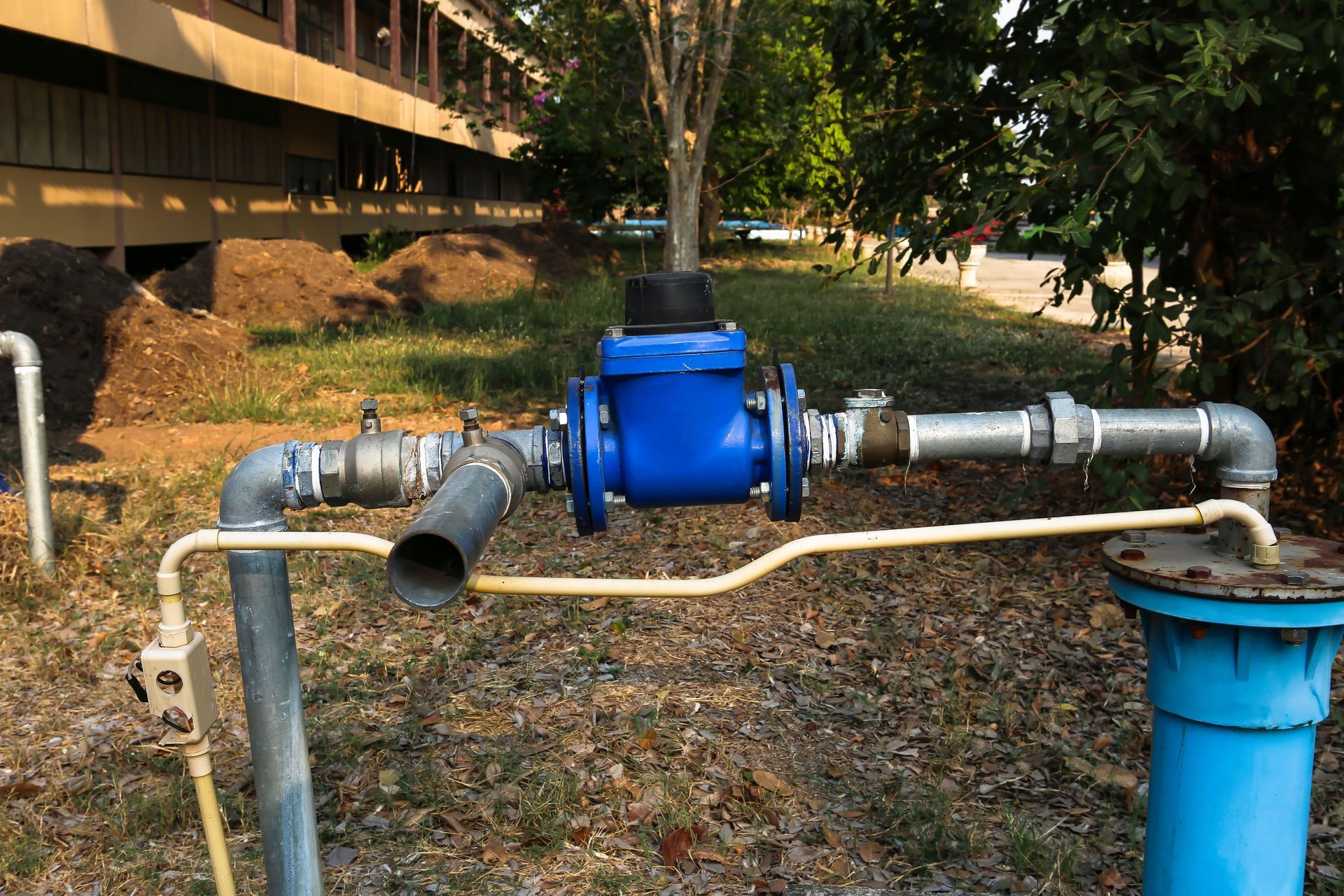
At the heart of every private residential water system lies a specialized extraction device designed to lift water from subterranean aquifers and push it through your household piping. Modern water well pumps work in direct harmony with pressure tanks to maintain a steady, regulated flow throughout the entire residence. When you turn on a faucet, pressurized air inside the tank pushes water into the line. Once the system pressure drops below a pre-set threshold, an electrical switch activates the pumping mechanism to pull fresh water from underground and restore the pressure reserve.
When every component operates smoothly, this cycle happens seamlessly behind the scenes without any noticeable change in performance. However, when the extraction mechanism begins to wear down or becomes overwhelmed by household demand, the delicate balance between pressure and volume collapses. Recognizing the critical job this equipment performs helps homeowners appreciate why matching the mechanical capacity of the unit to their specific property requirements is so vital for long-term comfort.
Recognizing the Common Signs of Water System Failure
Homeowners often endure minor plumbing annoyances for months without realizing that their extraction equipment is failing. One of the most obvious signs of a struggling system is fluctuating water pressure during multi-fixture use. If running the kitchen sink causes the bathroom shower to lose momentum, your system is struggling to meet concurrent demand. Another warning signal is sputtering faucets, which usually indicates that air is being pulled into the lines due to a failing check valve or a dropping water table.
Clicking noises coming from the pressure tank or utility room also signal impending trouble. This phenomenon, known as rapid cycling, occurs when the pump turns on and off continuously in short bursts. Rapid cycling subjects internal electrical components to severe thermal stress, dramatically shortening the mechanical life of the unit. Paying close attention to these early warning indicators allows you to address mechanical flaws before experiencing a complete loss of running water.
Exploring the Major Types of Water Extraction Systems
Selecting the proper equipment requires a clear understanding of the depth of your well and the geographical characteristics of your property. Shallow wells, typically defined as those under twenty-five feet in depth, generally rely on jet units mounted above ground. These surface-mounted units utilize suction to draw water upward through a single pipe. While easier to access for routine maintenance, surface units are limited by atmospheric pressure constraints and are susceptible to freezing temperatures if not housed within a heated enclosure.
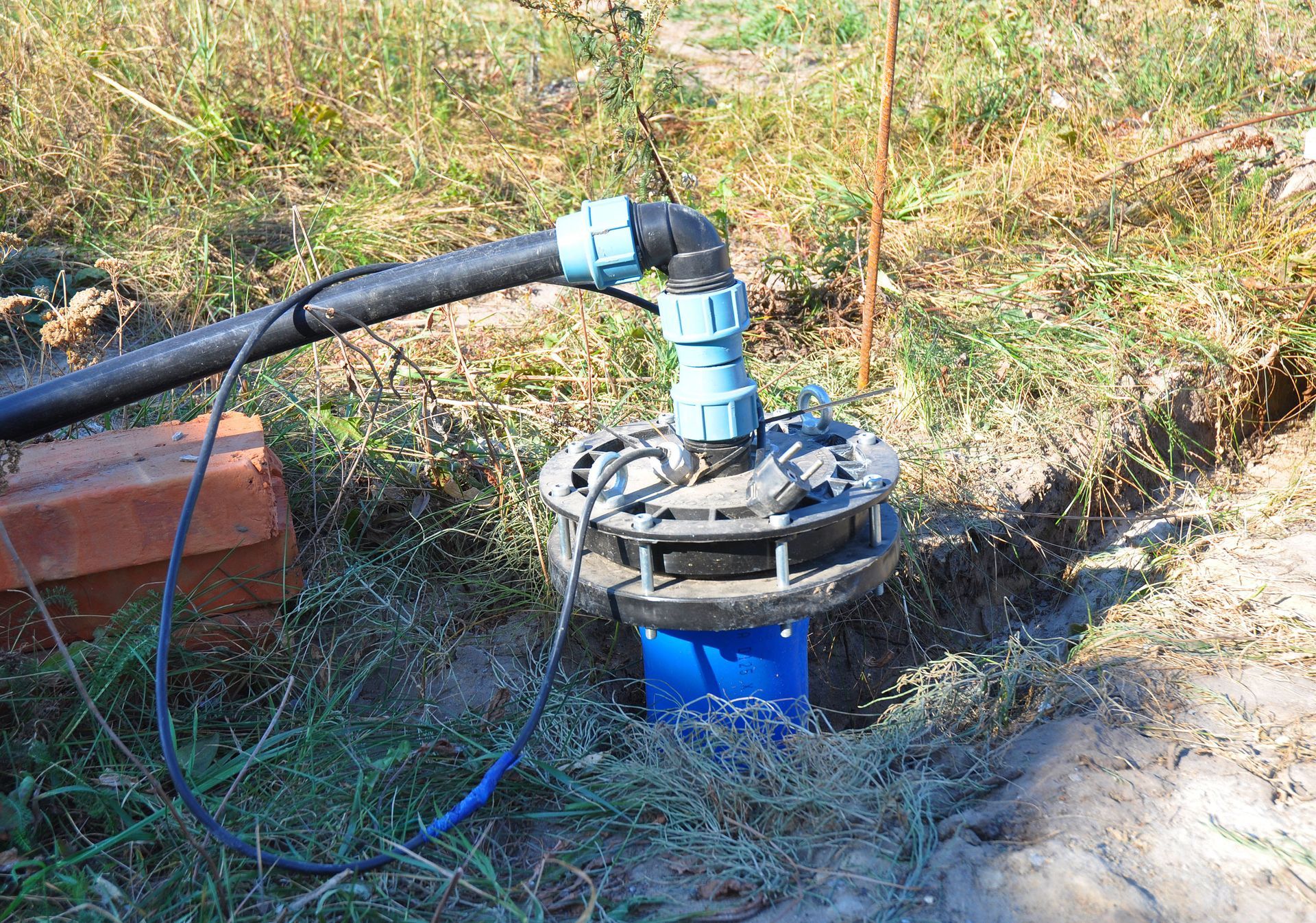
For deeper applications, submerged extraction units represent the industry standard for residential performance. Submersible water well pumps are lowered directly into the well casing below the water line, pushing water upward into the home rather than pulling it. Because pushing water requires significantly less energy than pulling it against gravity, submerged units are vastly more energy-efficient and capable of serving wells several hundred feet deep. Their underwater position also keeps them naturally primed and virtually silent during operation.
Evaluating Sizing and Capacity for Peak Demands
Installing an incorrectly sized unit is one of the most common mistakes made during system replacements. A unit that is too small will run constantly, leading to premature motor burnout and insufficient water pressure during peak morning hours. Conversely, an oversized unit will deliver excessive pressure that strains household pipe joints, damages delicate appliance valves, and leads to short-cycling issues. Accurate sizing requires evaluating both gallons per minute output and total dynamic head pressure.
Gallons per minute represents the total volume of water a system can continuously deliver during a peak usage window. To calculate this, professionals count the number of fixtures, appliances, and outdoor spigots present in the home. A typical three-bathroom family home generally requires a system capable of delivering ten to twelve gallons per minute. Selecting high-performance water well pumps tailored to your peak consumption ensures that multiple showers, laundry cycles, and irrigation lines can run simultaneously without dropping pressure.
Assessing Lifespan Factors and Maintenance Requirements
Like all mechanical systems containing high-speed rotating motors, groundwater extraction equipment has a finite operational lifespan. According to Modernize, a well pump typically lasts between 10 and 15 years when properly maintained. Factors influencing this timeframe include overall water quality, electrical power stability, daily usage patterns, and the presence of abrasive sediment in the aquifer. Hard water loaded with dissolved minerals can build up inside internal impellers, creating mechanical friction and reducing water flow over time.
Establishing a routine inspection schedule is essential for maximizing the operational longevity of your equipment. Professional technicians inspect pressure tank bladders, test electrical control boxes, measure motor amperage draw, and clear sediment filters during annual service visits. Protecting your system with heavy-duty surge protectors also prevents power spikes caused by summer lightning storms from destroying delicate motor windings. Taking proactive maintenance measures preserves your investment and prevents unexpected mid-winter mechanical failures.
Upgrading to Constant Pressure Technology
Traditional residential systems operate on a fixed pressure switch, typically set to alternate between thirty and fifty pounds per square inch or forty and sixty pounds per square inch. This wide variance explains why shower pressure noticeably dips right before the motor kicks in to rebuild pressure reserves. Homeowners seeking a commercial-grade water experience are increasingly upgrading to variable frequency drive systems, often referred to as constant pressure systems.
Variable speed water well pumps adjust their motor speed dynamically based on real-time household demand. Instead of running at full speed or turning off completely, a variable frequency drive speeds up the motor when multiple faucets open and slows down when demand drops. This continuous adjustment maintains a perfectly flat pressure profile across every fixture in the home. Integrating constant pressure water well pumps transforms the daily shower experience, eliminates pressure surges, and significantly lowers overall household electrical consumption.
Protecting Your Investment With Professional Installation
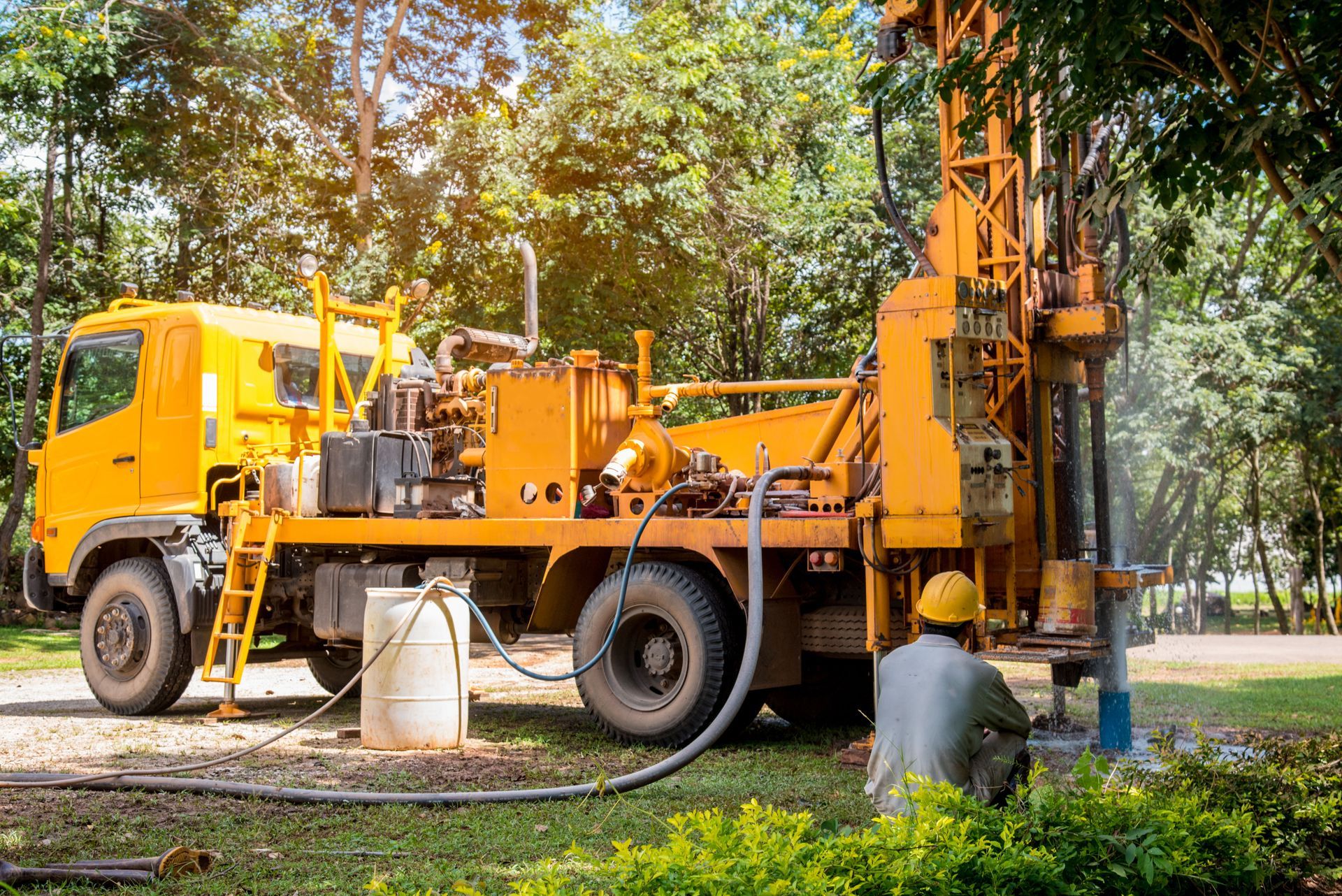
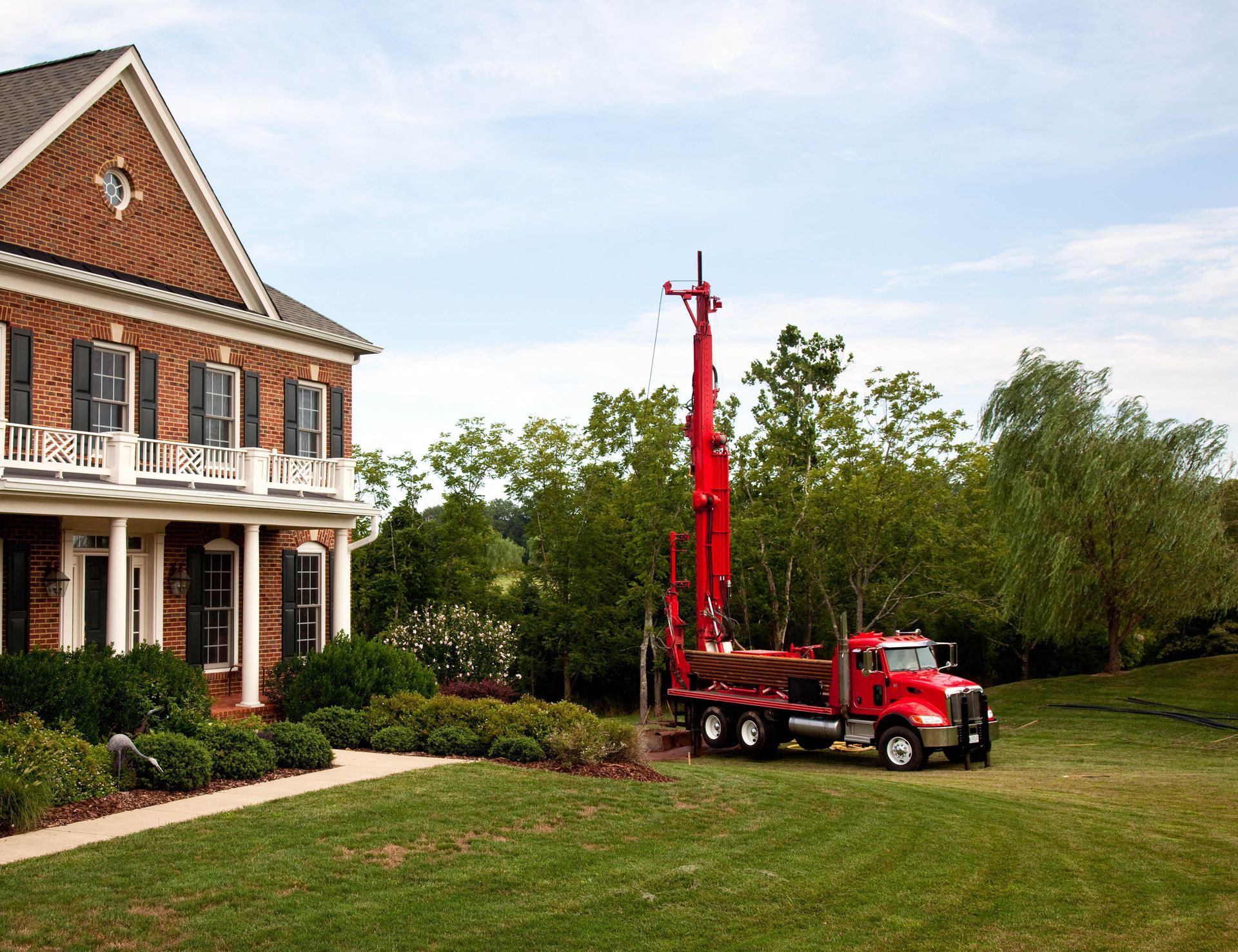
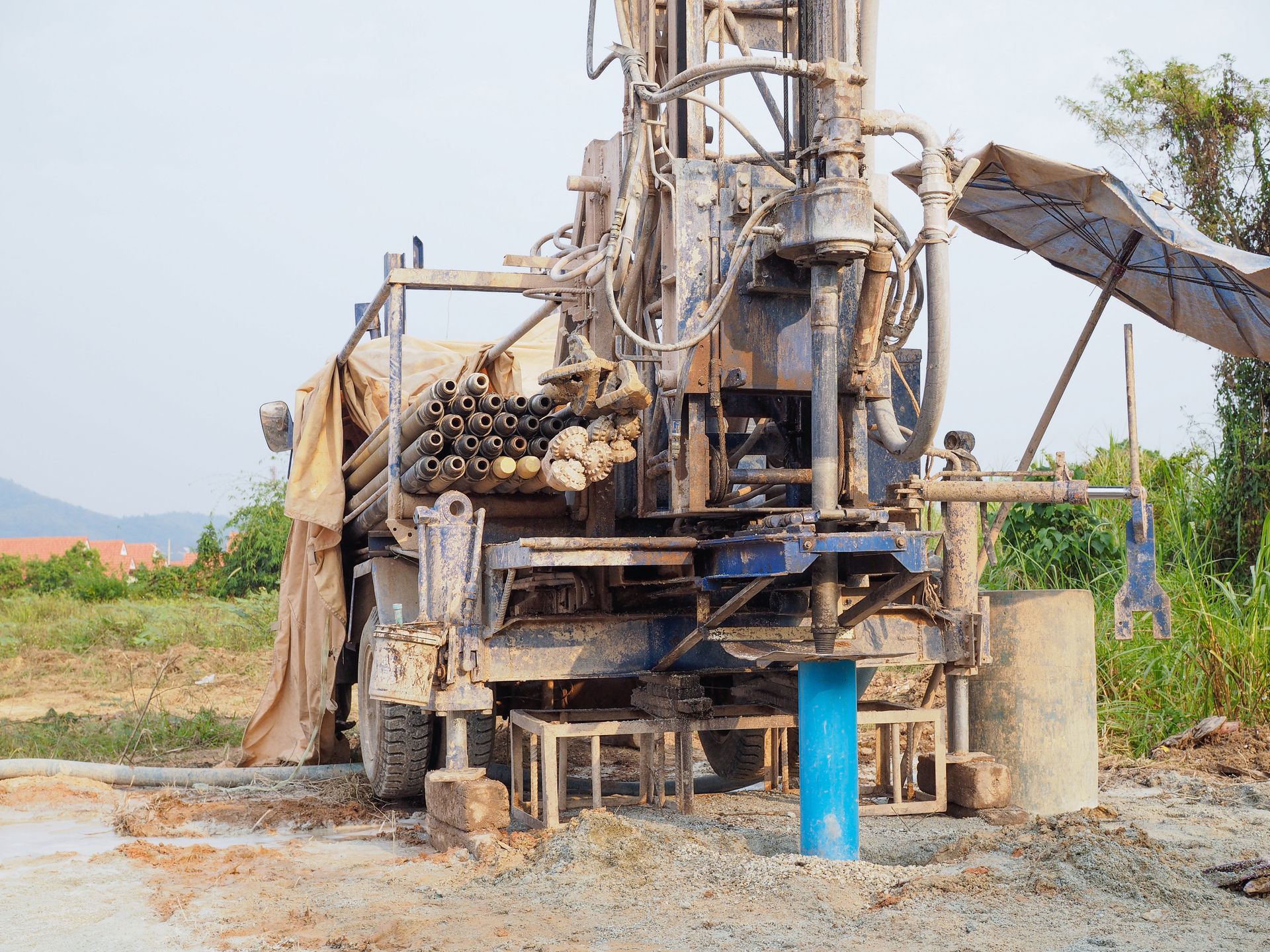
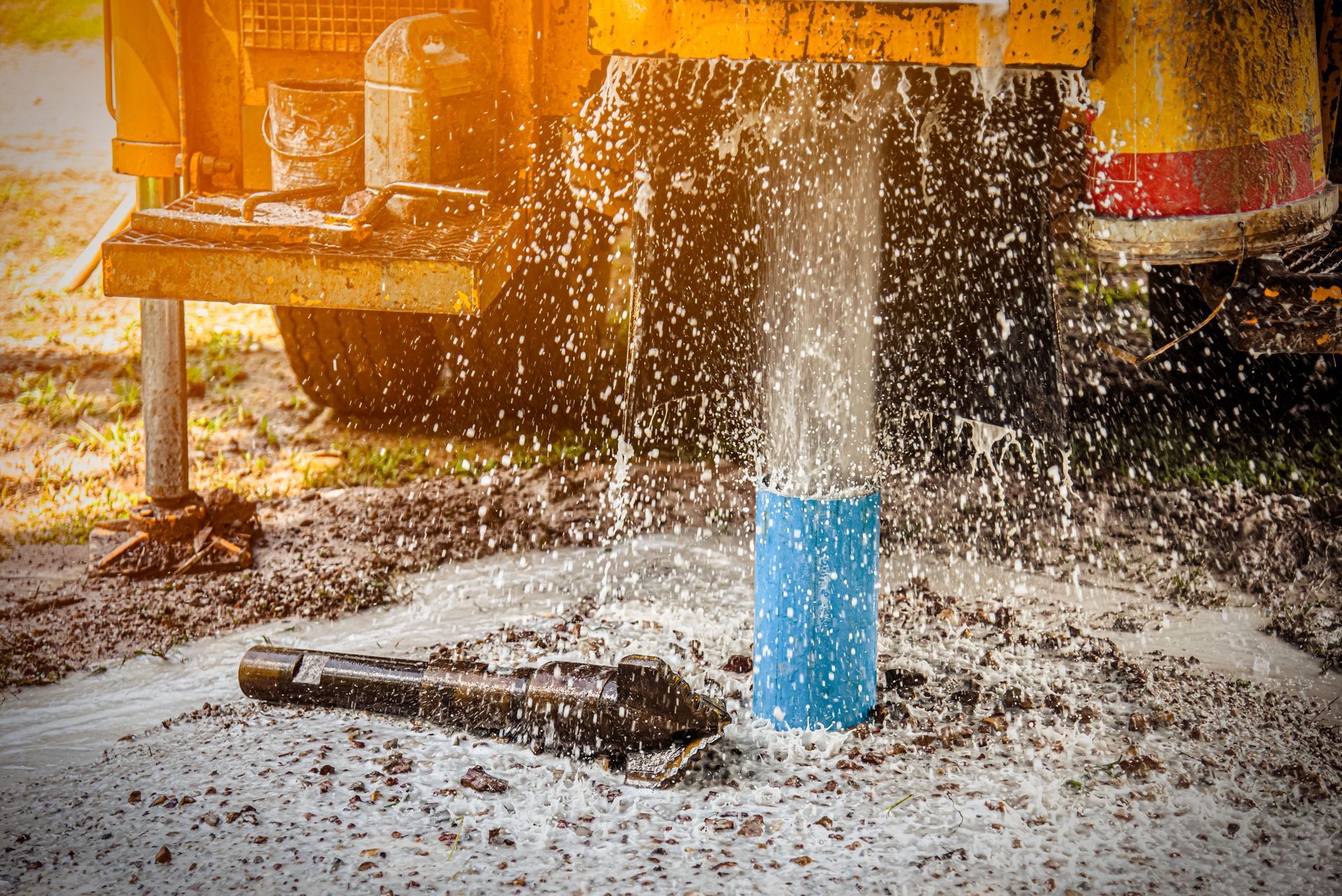
While handy homeowners may feel comfortable addressing minor plumbing fixes around the house, replacing heavy-duty groundwater extraction equipment requires specialized electrical and mechanical expertise. Incorrect wiring can burn out expensive motors in seconds, while improper torque settings on drop pipes can cause heavy equipment to detach and fall to the bottom of the well shaft. Certified technicians possess the specialized hoist trucks, torque arrestors, and electrical testing tools needed to execute a flawless installation of water well pumps.
Professional installers also evaluate the broader water delivery ecosystem, including check valves, electrical control boxes, and pressure relief valves. Upgrading to modern water well pumps backed by professional installation ensures compliance with regional sanitary codes and protects your home's foundation from accidental flooding. By investing in top-tier equipment and skilled craftsmanship, you secure a reliable, high-pressure water supply that elevates your family's daily comfort for years to come. Ready to solve your daily water struggles for good? Contact Falk Drilling Inc today to schedule a consultation and experience the comfort of a perfectly pressurized water system!
Share On: